Summer
is just around the corner. Chances are, you’d most likely be thinking of escaping
to the beach or to the highlands whenever the sweltering heat gets too hot to
bear. If you’re yearning for some cool, pine-scented mountain air, Baguio, the
country’s Summer Capital, would most
likely make it into your list of choices.
 Now,
if you’re in Davao or near it, you need not go that far. Situated roughly 76 km
away from the heart of the city, there’s this slice of paradise near the
Davao-Bukidnon border that’s being touted as the city’s “Little Baguio” because
of its numerous marvels that have magnetized visitors for they evoke images of
the popular destination in the north—the district of Marilog.
Now,
if you’re in Davao or near it, you need not go that far. Situated roughly 76 km
away from the heart of the city, there’s this slice of paradise near the
Davao-Bukidnon border that’s being touted as the city’s “Little Baguio” because
of its numerous marvels that have magnetized visitors for they evoke images of
the popular destination in the north—the district of Marilog.
 |
Portion of the Bukidnon-Davao Road
|

 A
trek into the highlands of Marilog is like taking a trip back in time when
Davao was a vast, largely unexplored frontier. Home to the city’s lumads or indigenous peoples, it offers
visitors an exciting peek into the rich history and culture of Davao’s
indigenous peoples who have been there long before the coming of the Spanish
colonizers.
A
trek into the highlands of Marilog is like taking a trip back in time when
Davao was a vast, largely unexplored frontier. Home to the city’s lumads or indigenous peoples, it offers
visitors an exciting peek into the rich history and culture of Davao’s
indigenous peoples who have been there long before the coming of the Spanish
colonizers.
 The
lumads of Davao, particularly the
Ata, Bagobo, Matigsalug and Obo-Manobo tribes, are dispersed all throughout the
district’s twelve villages—Baganihan, Bantol, Buda, Dalag, Datu Salumay,
Gumitan, Magsaysay, Malamba, Salaysay, Suawan, Tamugan, and of course, Marilog
Proper.
The
lumads of Davao, particularly the
Ata, Bagobo, Matigsalug and Obo-Manobo tribes, are dispersed all throughout the
district’s twelve villages—Baganihan, Bantol, Buda, Dalag, Datu Salumay,
Gumitan, Magsaysay, Malamba, Salaysay, Suawan, Tamugan, and of course, Marilog
Proper.

Nature
bestowed upon Marilog a plethora of awesome marvels—waterfalls, caves,
rivers and springs—that make it such an interesting destination for
eco-adventurers. Each of the district’s villages have their own natural
come-ons but the ones that are magnetizing the throngs are the known attractions in
Baganihan, Datu Salumay and Buda.

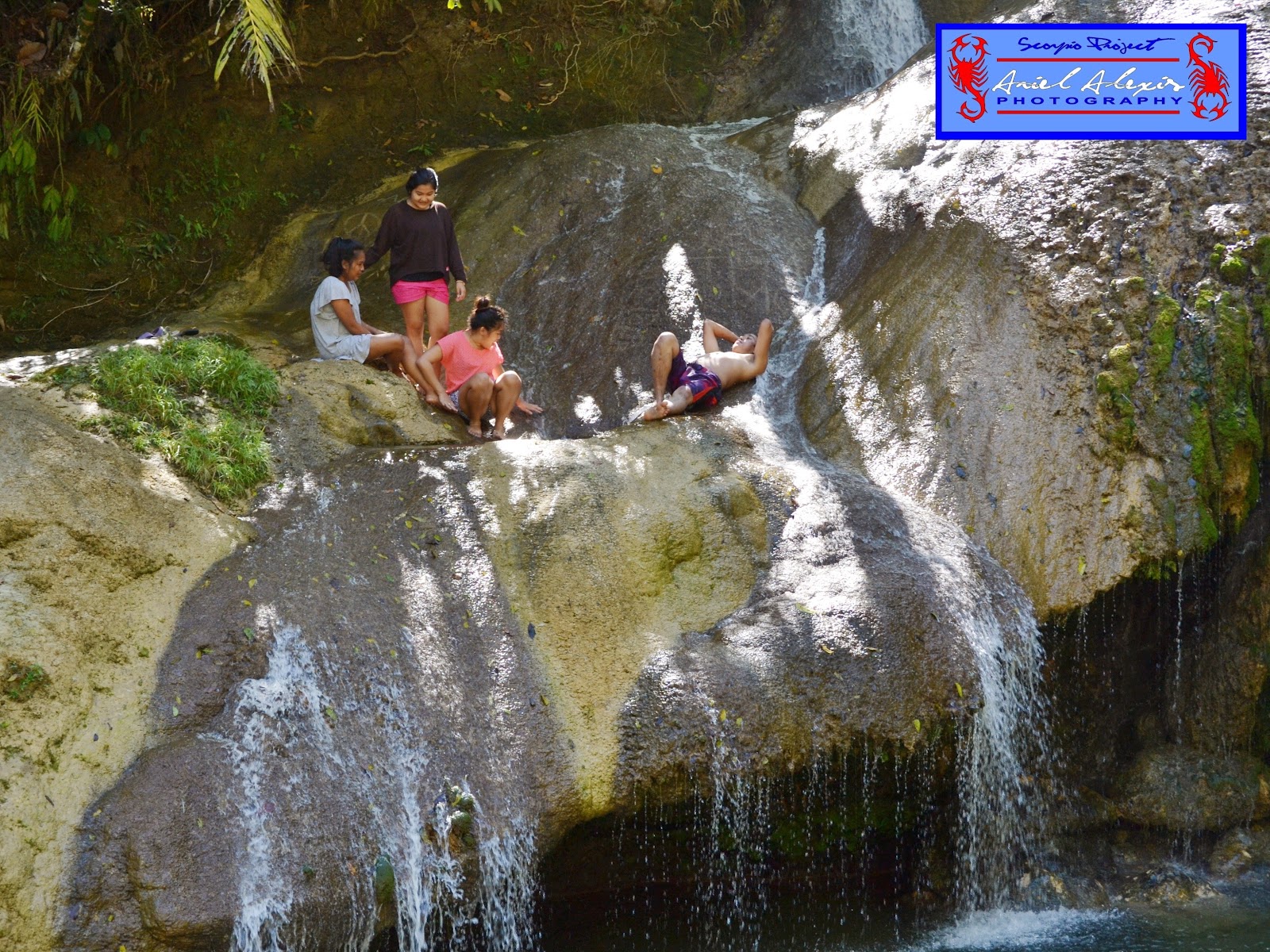
 Once
known as Green Valley Falls, Epol boasts of several small cascades of
ice cold waters, with a total drop of about 30 feet, smashing into several
boulders below, providing tourists a chilling respite from an exhausting
eco-adventure. It may not be as stunning
as Mindanao’s popular cascades but the secluded falls has its own way of charming even the
most jaded adventure junkie.
Once
known as Green Valley Falls, Epol boasts of several small cascades of
ice cold waters, with a total drop of about 30 feet, smashing into several
boulders below, providing tourists a chilling respite from an exhausting
eco-adventure. It may not be as stunning
as Mindanao’s popular cascades but the secluded falls has its own way of charming even the
most jaded adventure junkie.
 |
Part of the trail to Epol Falls
|
 Hidden deep in Marilog’s lush forests, you’ll have to hike for roughly thirty minutes along a forest trail to reach it. Caveat: The trail to the falls can be muddy and slippery during the rainy season. Take extra caution when you go downhill into the falls.
 When you’re in Baganihan, a visit to the cultural village of the Bagobos, the first ethnic group in Mindanao who inhabited the banks of Pulangi (Bukidnon) and Davao Rivers, is a must. Dropping by this enclave gives tourists an opportunity to get a glimpse of the culture and lifestyle of the Bagobos, including their colorful costumes and exotic way of living.
 |
Baganihan's new landmark
|

 Visitors
often include spelunking among their adventures in Baganihan. The village has a
cave with large chambers adorned with captivating stalagmites and stalactites,
which is definitely a sight to behold. There are also mini-lakes there where
eco-adventurers can take a quick dip.
Visitors
often include spelunking among their adventures in Baganihan. The village has a
cave with large chambers adorned with captivating stalagmites and stalactites,
which is definitely a sight to behold. There are also mini-lakes there where
eco-adventurers can take a quick dip.
 Another
must-see in Baganihan are the sculptures of the Philippine eagle, also known as
the "King of Philippine Skies,” and the natives of Mindanao, located just
along highway. The landmark is one the three awe-inspiring creations of
prolific Davao artist Kublai Millan whose works adorn many of Mindanao’s towns
and cities.
Incidentally, the other two structures in
Davao are "Durian and Carabao" in Toril (in the south), and
"Waling-Waling," known as the "Queen of Orchids" in Lasang
(in the northeast), which proudly greet visitors entering the city from
different parts of the island.
Another
must-see in Baganihan are the sculptures of the Philippine eagle, also known as
the "King of Philippine Skies,” and the natives of Mindanao, located just
along highway. The landmark is one the three awe-inspiring creations of
prolific Davao artist Kublai Millan whose works adorn many of Mindanao’s towns
and cities.
Incidentally, the other two structures in
Davao are "Durian and Carabao" in Toril (in the south), and
"Waling-Waling," known as the "Queen of Orchids" in Lasang
(in the northeast), which proudly greet visitors entering the city from
different parts of the island.
 |
A little sea of clouds enveloping the hills and mountains of Datu Salumay
|
 Datu
Salumay. Stepping into this farflung village after a two-hour journey away
from the heat and hustle of the lowlands, you’d get the strange feeling of
being transported into a different place and time. As you traverse the long,
almost deserted stretch, you’d most likely see numerous makeshift stalls
displaying fresh flowers, ornamentals and potted plants for sale.
Datu
Salumay. Stepping into this farflung village after a two-hour journey away
from the heat and hustle of the lowlands, you’d get the strange feeling of
being transported into a different place and time. As you traverse the long,
almost deserted stretch, you’d most likely see numerous makeshift stalls
displaying fresh flowers, ornamentals and potted plants for sale.
 Along
the way, you’d also be with treated with bucolic scenes that call to mind
Banaue, Sagada or some other remote town in northern Philippines—quaint houses
standing on rolling hills and slopes bedecked with lush conifers; children in
thick clothes on their way to school; women carrying pails and jars overflowing
with spring water, etc.
Along
the way, you’d also be with treated with bucolic scenes that call to mind
Banaue, Sagada or some other remote town in northern Philippines—quaint houses
standing on rolling hills and slopes bedecked with lush conifers; children in
thick clothes on their way to school; women carrying pails and jars overflowing
with spring water, etc.
 |
The road to Bemwa Farms
|
|
|
|
 Datu
Salumay gives you all these and more—including strawberries! Known to come
mostly from Baguio, these luscious fruits are now being grown extensively in
that part of Davao. The recent advancements in agricultural technology have
made it possible of strawberries to be cultivated in the highlands of
Marilog.
Datu
Salumay gives you all these and more—including strawberries! Known to come
mostly from Baguio, these luscious fruits are now being grown extensively in
that part of Davao. The recent advancements in agricultural technology have
made it possible of strawberries to be cultivated in the highlands of
Marilog.
 |
Bemwa Farms
|

 Bemwa
Farms in Datu Salumay, for instance, has several hectares of strawberry fields.
It also grows other high value crops
that require high altitudes,
notably lettuce of different varieties.
In the future, it wouldn’t come as a surprise if Datu Salumay
and the other villages would earn for Marilog the title, “Strawberry Capital of
Davao”.
Bemwa
Farms in Datu Salumay, for instance, has several hectares of strawberry fields.
It also grows other high value crops
that require high altitudes,
notably lettuce of different varieties.
In the future, it wouldn’t come as a surprise if Datu Salumay
and the other villages would earn for Marilog the title, “Strawberry Capital of
Davao”.
 |
Bemwa's strawberry field
|
 Visitors going to the mountainous village
shouldn’t dare miss the chance to explore this new haven for nature lovers—Jive
Highland Resort. Hidden in a secluded part of Datu Salumay, the relatively
unknown resort provides the perfect venue for weekend family vacays, spiritual
retreats, campings, and other corporate outings.
Visitors going to the mountainous village
shouldn’t dare miss the chance to explore this new haven for nature lovers—Jive
Highland Resort. Hidden in a secluded part of Datu Salumay, the relatively
unknown resort provides the perfect venue for weekend family vacays, spiritual
retreats, campings, and other corporate outings.
 Here’s a place where time seems to stand
still, allowing city slickers to take a breather from the pandemonium of the
lowlands and commune with nature in the uplands. Within its sprawling area,
nature trippers will be delighted to know that there’s a waterfall and a cave
where the intrepid and adventurous can indulge to their hearts’ content.
Here’s a place where time seems to stand
still, allowing city slickers to take a breather from the pandemonium of the
lowlands and commune with nature in the uplands. Within its sprawling area,
nature trippers will be delighted to know that there’s a waterfall and a cave
where the intrepid and adventurous can indulge to their hearts’ content.

 Being a new destination, Jive has quite a few
amenities to boast of. Except for the modest accommodations, a multi-purpose
hall and a basketball court (that also doubles as a parking area), it has no
swimming pool, open-air cottages, restaurant, souvenir shop and what-have-you.
Being a new destination, Jive has quite a few
amenities to boast of. Except for the modest accommodations, a multi-purpose
hall and a basketball court (that also doubles as a parking area), it has no
swimming pool, open-air cottages, restaurant, souvenir shop and what-have-you.

 What Jive lacks in terms of creature
comforts, it compensates with the abundance of natural treats—stunning views of
verdant hills and forests, spellbinding
waterfalls, mysterious caves and, of course, fresh mountain air. If further developed and marketed well, the
highland resort could become the next tourist destination not only of Davao but
the entire island of Mindanao as well.
What Jive lacks in terms of creature
comforts, it compensates with the abundance of natural treats—stunning views of
verdant hills and forests, spellbinding
waterfalls, mysterious caves and, of course, fresh mountain air. If further developed and marketed well, the
highland resort could become the next tourist destination not only of Davao but
the entire island of Mindanao as well.
 |
A natural waterfall inside Jive Highland Resort
|
 Buda. Bracketed by sprawling mountain ranges, Buda’s rolling landscape and
refreshingly cool climate make it one of the best destinations for a weekend
wandering in Davao. If eco-adventure is
your game, the city’s farthermost northern village—just a few meters away from
Bukidnon—is the ideal place to be.
Buda. Bracketed by sprawling mountain ranges, Buda’s rolling landscape and
refreshingly cool climate make it one of the best destinations for a weekend
wandering in Davao. If eco-adventure is
your game, the city’s farthermost northern village—just a few meters away from
Bukidnon—is the ideal place to be.
 Frequented
by local and foreign tourists who want to escape the din and drudgery of the
lowlands, Buda, to some people, is a portmanteau for the Bukidnon-Davao Road. A
quick peek into the list of the city’s 182 barangays (villages), however, shows that there’s indeed a place that also goes by that
same name.
Frequented
by local and foreign tourists who want to escape the din and drudgery of the
lowlands, Buda, to some people, is a portmanteau for the Bukidnon-Davao Road. A
quick peek into the list of the city’s 182 barangays (villages), however, shows that there’s indeed a place that also goes by that
same name.
 Buda,
like the other villages in Marilog, offers a refreshingly cool ambience that’s
similar to the one you get to experience in Baguio. The village’s most
distinctive landmark is probably Seagull Mountain Resort (Others, however,
consider the resort as part of the village of Lorega in Kitaotao, Bukidnon).
Buda,
like the other villages in Marilog, offers a refreshingly cool ambience that’s
similar to the one you get to experience in Baguio. The village’s most
distinctive landmark is probably Seagull Mountain Resort (Others, however,
consider the resort as part of the village of Lorega in Kitaotao, Bukidnon).
 |
Seagull's cafe and restaurant
|
|
|
|
 Owned
by the Durezas, one of Davao’s prominent political clans, the mountain resort
is nestled on a sprawling estate with an altitude of about 1,200 m (4,000 ft)
above sea level. Its amenities include a golf course, a jogging trail, a
chapel, a path for staging the Way of the Cross, a tent and picnic area, a
pavilion, a coffee shop, among others.
Owned
by the Durezas, one of Davao’s prominent political clans, the mountain resort
is nestled on a sprawling estate with an altitude of about 1,200 m (4,000 ft)
above sea level. Its amenities include a golf course, a jogging trail, a
chapel, a path for staging the Way of the Cross, a tent and picnic area, a
pavilion, a coffee shop, among others.
 Seagull
Mountain Resort also boasts of several nice accommodations, including cottages
(known as condo units) that can shelter two to four people and log cabins that
can house as many as three people each. It also has designated campsites for
those who want to sleep outdoors.
Seagull
Mountain Resort also boasts of several nice accommodations, including cottages
(known as condo units) that can shelter two to four people and log cabins that
can house as many as three people each. It also has designated campsites for
those who want to sleep outdoors.
 |
Two of
Seagull's sought-after delights—suman
(glutinous rice cake)
and sikwate
(hot chocolate drink)
|
 Perhaps
the resort’s best natural come-on is the waterfalls found just a few meters
away from its main complex. The refreshingly cool cascade supplies water to
Seagull’s four swimming pools—a deep one for adults, two for kiddos and a
shallow one (located near the waterfalls).
Perhaps
the resort’s best natural come-on is the waterfalls found just a few meters
away from its main complex. The refreshingly cool cascade supplies water to
Seagull’s four swimming pools—a deep one for adults, two for kiddos and a
shallow one (located near the waterfalls).
 Not
to be missed when you’re at Seagull are its sought-after mouth-watering treats—suman (glutinous rice cake) and sikwate (hot chocolate drink), the
perfect brekkie for weekend wanderers. For more about this exciting mountain
resort in Buda, visit my post at http://scorpio-sojourn.blogspot.com/2011/08/seeking-serenity-in-seagull-mountain.html.
Not
to be missed when you’re at Seagull are its sought-after mouth-watering treats—suman (glutinous rice cake) and sikwate (hot chocolate drink), the
perfect brekkie for weekend wanderers. For more about this exciting mountain
resort in Buda, visit my post at http://scorpio-sojourn.blogspot.com/2011/08/seeking-serenity-in-seagull-mountain.html.
 As
your thoughts turn to nature this summer, these are but a few of the destinations that
would surely magnetize you when you visit Marilog. So, weekend wanderers, see
to it that you add this haven in the highlands of Davao City to your list of
options for a vacay. Go there and get magnetized by Marilog’s marvels! :-D
As
your thoughts turn to nature this summer, these are but a few of the destinations that
would surely magnetize you when you visit Marilog. So, weekend wanderers, see
to it that you add this haven in the highlands of Davao City to your list of
options for a vacay. Go there and get magnetized by Marilog’s marvels! :-D

 Out
there in the
heartland of Mindanao, where its remaining (read: endangered) forest
covers are found, lies this city that never fails to fascinate me each
time I
have the chance to visit it—Malaybalay. Aptly called the “City in a
Forest”, its
attractions have much to do with the au naturel charms of its clean and
green
surroundings.
Out
there in the
heartland of Mindanao, where its remaining (read: endangered) forest
covers are found, lies this city that never fails to fascinate me each
time I
have the chance to visit it—Malaybalay. Aptly called the “City in a
Forest”, its
attractions have much to do with the au naturel charms of its clean and
green
surroundings.  Bukidnon's capital, however, can’t boast about being on a bay, lake, river, or having a view of the sea
because it’s landlocked just like the rest of the province. So, what’s the one
thing that sets it apart from any other city of its class? What else but those
hectares upon hectares of old-growth, sturdy and lovely trees—dipterocarps,
conifers and what have you—set within a
backdrop of lofty, mist-covered mountains and hills.
Bukidnon's capital, however, can’t boast about being on a bay, lake, river, or having a view of the sea
because it’s landlocked just like the rest of the province. So, what’s the one
thing that sets it apart from any other city of its class? What else but those
hectares upon hectares of old-growth, sturdy and lovely trees—dipterocarps,
conifers and what have you—set within a
backdrop of lofty, mist-covered mountains and hills.


 Dubbed as the
“Southern Summer Capital of the Philippines”, Malaybalay was founded as a
pueblo by the Spanish colonizers in
1877. When the Americans came, the sleepy town became Bukidnon’s capital in
1907 following the latter’s establishment as a province. In 1998, Malaybalay attained its status as a
chartered city.
Dubbed as the
“Southern Summer Capital of the Philippines”, Malaybalay was founded as a
pueblo by the Spanish colonizers in
1877. When the Americans came, the sleepy town became Bukidnon’s capital in
1907 following the latter’s establishment as a province. In 1998, Malaybalay attained its status as a
chartered city. 


 When I first saw Malaybalay several years
ago, the city came across as Baguio almost two decades earlier, that is—small,
clean and green, congestion-free. Nestled at an elevation of 622 m (2,041 ft)
above sea level, Malaybalay’s climate is, of course, cool. Visitors will surely love the pine-scented,
crisp mountain air that swathes the city all year round.
When I first saw Malaybalay several years
ago, the city came across as Baguio almost two decades earlier, that is—small,
clean and green, congestion-free. Nestled at an elevation of 622 m (2,041 ft)
above sea level, Malaybalay’s climate is, of course, cool. Visitors will surely love the pine-scented,
crisp mountain air that swathes the city all year round. 
 The motorela or rela is the usual mode of transport within the city. This version
of the ubiquitous tricycle that’s common in Northern Mindanao is quite smaller
than the usual ones I saw in other Philippine cities. I took the rela on a few occasions as I opted to
leave my car at the hotel. Doing so, I guess, is the best way to acclimatize
myself with the way of living in the places I visit.
The motorela or rela is the usual mode of transport within the city. This version
of the ubiquitous tricycle that’s common in Northern Mindanao is quite smaller
than the usual ones I saw in other Philippine cities. I took the rela on a few occasions as I opted to
leave my car at the hotel. Doing so, I guess, is the best way to acclimatize
myself with the way of living in the places I visit.

 With the presence of
Bukidnon State University (BSU), Malaybalay can be considered as a university
town, not unlike Dumaguete (with Silliman and four other universities). Created
in 1924 as a two-year secondary school during the Commonwealth era, BSU became
a state university in 2007, with an estimated student population of over
11,000.
With the presence of
Bukidnon State University (BSU), Malaybalay can be considered as a university
town, not unlike Dumaguete (with Silliman and four other universities). Created
in 1924 as a two-year secondary school during the Commonwealth era, BSU became
a state university in 2007, with an estimated student population of over
11,000. Gaisano is the only
mall I saw there, but no movie houses yet. McDonald’s, Chow King and Jollibee
also have their popular presence. There are, however, several cheap dining
places spread all over town, mostly catering to students. Two dining places
that count among my favorites are Anton’s Grill and D’ Stable Eco-Park.
Gaisano is the only
mall I saw there, but no movie houses yet. McDonald’s, Chow King and Jollibee
also have their popular presence. There are, however, several cheap dining
places spread all over town, mostly catering to students. Two dining places
that count among my favorites are Anton’s Grill and D’ Stable Eco-Park.  Anton’s Grill offers probably the best
seafood fare in town. Its owners also happen to be the people behind the
popular nationwide roast chicken food chain known as Manok ni Sr. Pedro. When I had dinner there, I made sure I got to
taste the original, mouth-watering Sr.
Pedro chicken. Two thumbs up for that!
Anton’s Grill offers probably the best
seafood fare in town. Its owners also happen to be the people behind the
popular nationwide roast chicken food chain known as Manok ni Sr. Pedro. When I had dinner there, I made sure I got to
taste the original, mouth-watering Sr.
Pedro chicken. Two thumbs up for that!
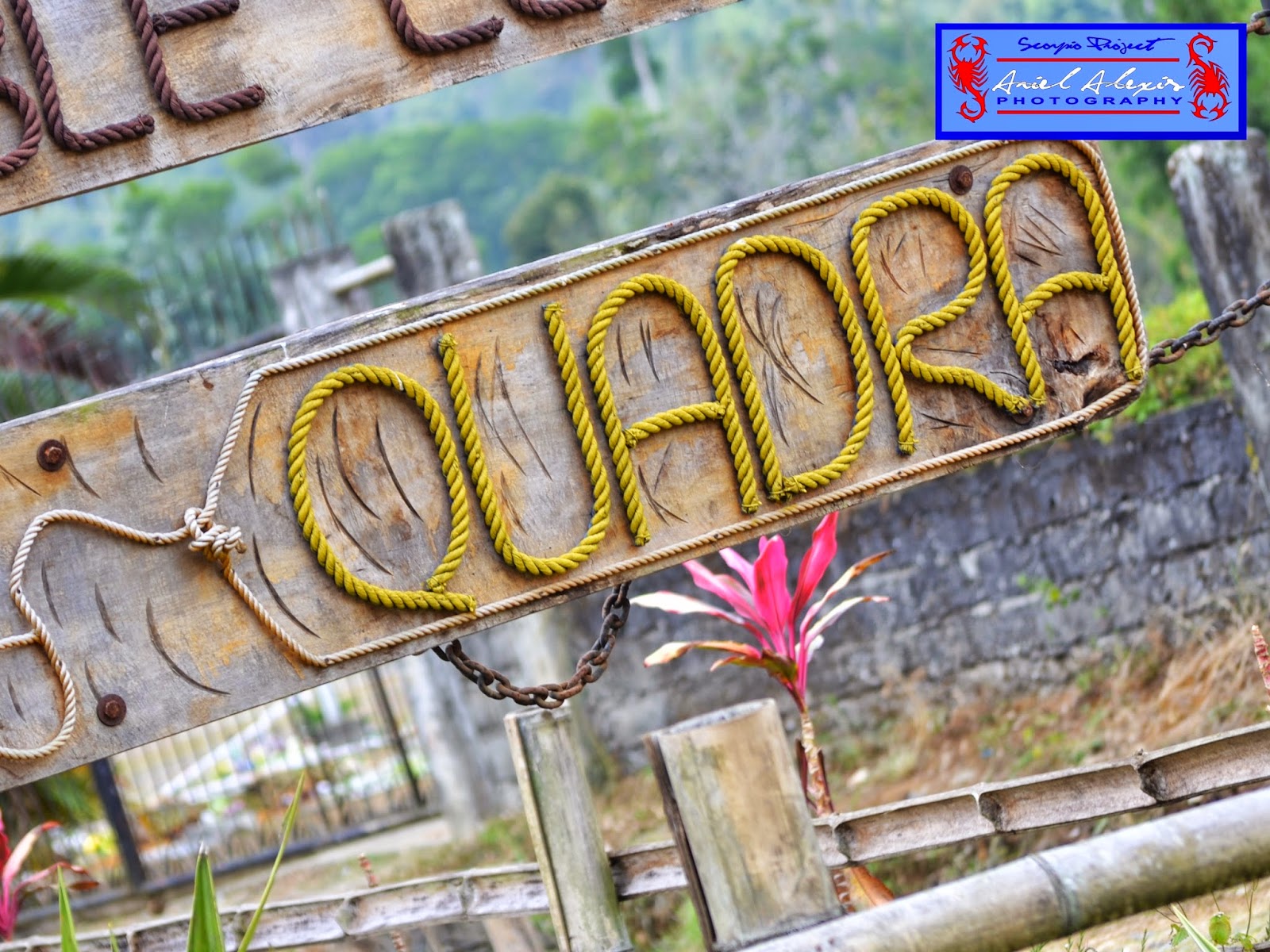
 Meanwhile, D’ Stable
Eco Resort, popularly known as Quadra, is one of the best places to satiate
your hunger. Quadra has a number of horses, stables, huts and cottages—all set
up to conjure a ranch-like ambience set amidst a verdant landscape with lofty
mountains, lush forestlands and all!
Meanwhile, D’ Stable
Eco Resort, popularly known as Quadra, is one of the best places to satiate
your hunger. Quadra has a number of horses, stables, huts and cottages—all set
up to conjure a ranch-like ambience set amidst a verdant landscape with lofty
mountains, lush forestlands and all! There are several
places to stay, mostly inns, pension houses and apartelles, all over
Malaybalay—Haus Malibu, Plaza View, Quadra, Small World, 1st Avenue, Villa
Alemania, to name some. Sadly, even the most decent one, Pine Hills Hotel, is
showing signs of deterioration. When in Bukidnon, I prefer to stay in nearby
Valencia City.
There are several
places to stay, mostly inns, pension houses and apartelles, all over
Malaybalay—Haus Malibu, Plaza View, Quadra, Small World, 1st Avenue, Villa
Alemania, to name some. Sadly, even the most decent one, Pine Hills Hotel, is
showing signs of deterioration. When in Bukidnon, I prefer to stay in nearby
Valencia City. 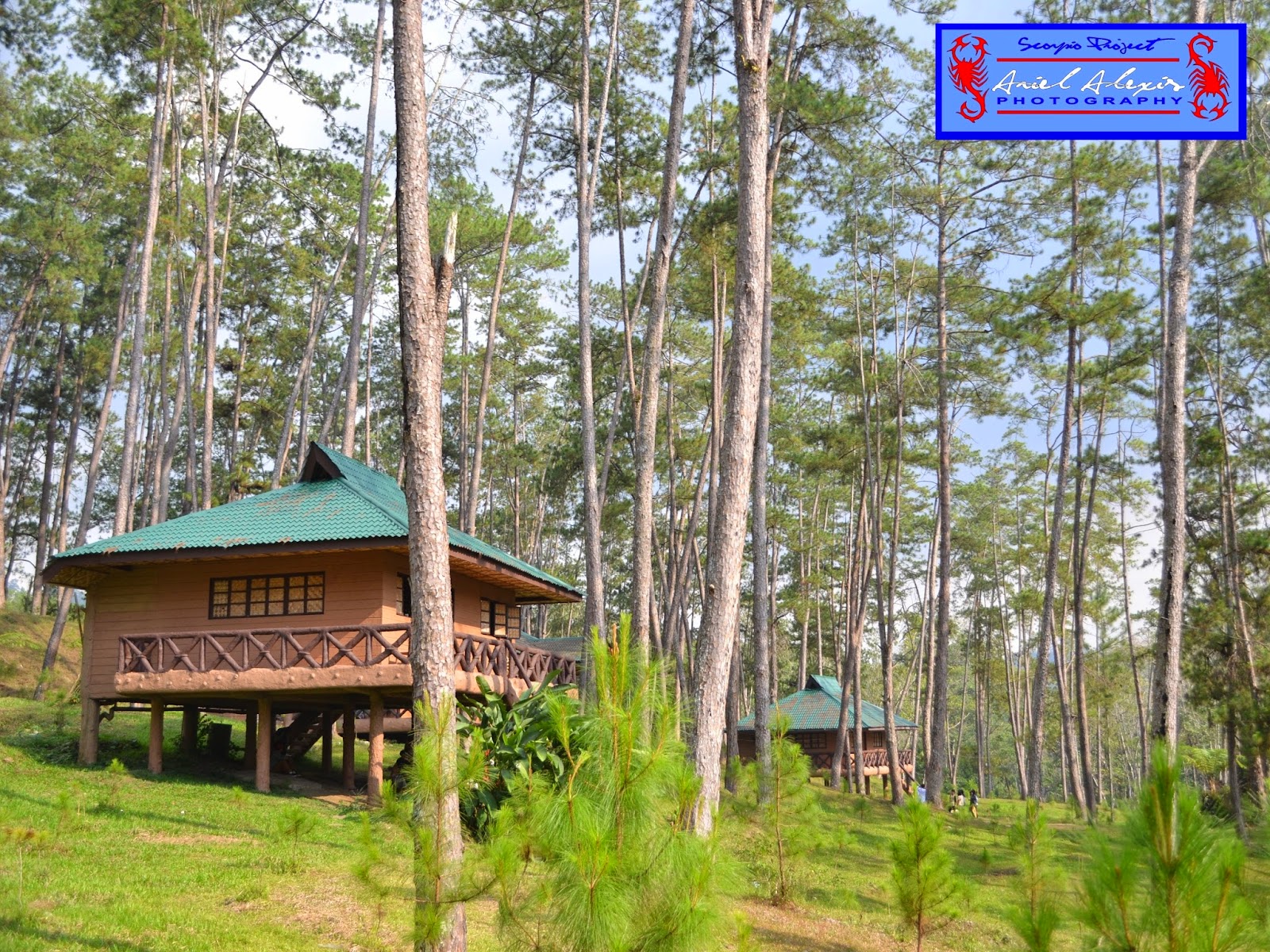

 Two of the
Malaybalay’s landmarks that I found interesting are Kaamulan Nature Park and Erreccion de Pueblo Monument. Kaamulan,
a project of the local government, was put up to honor the seven indigenous hill tribes of the
province—Bukidnon, Higaonon, Manobo, Matigsalug, Talaandig, Tigwahanon and
Umayamnon. Replicas of the different
houses of the tribes are positioned all over the complex.
Two of the
Malaybalay’s landmarks that I found interesting are Kaamulan Nature Park and Erreccion de Pueblo Monument. Kaamulan,
a project of the local government, was put up to honor the seven indigenous hill tribes of the
province—Bukidnon, Higaonon, Manobo, Matigsalug, Talaandig, Tigwahanon and
Umayamnon. Replicas of the different
houses of the tribes are positioned all over the complex.

 Erreccion de Pueblo (Creation of Town), on the other
hand, depicts the 1877 agreement between the Spanish colonizers and the local
leaders. Located within the town plaza, the monument draws a good number of
city folks who’ve found it the convenient place for meeting, talking, eating,
playing and what have you.
Erreccion de Pueblo (Creation of Town), on the other
hand, depicts the 1877 agreement between the Spanish colonizers and the local
leaders. Located within the town plaza, the monument draws a good number of
city folks who’ve found it the convenient place for meeting, talking, eating,
playing and what have you. 
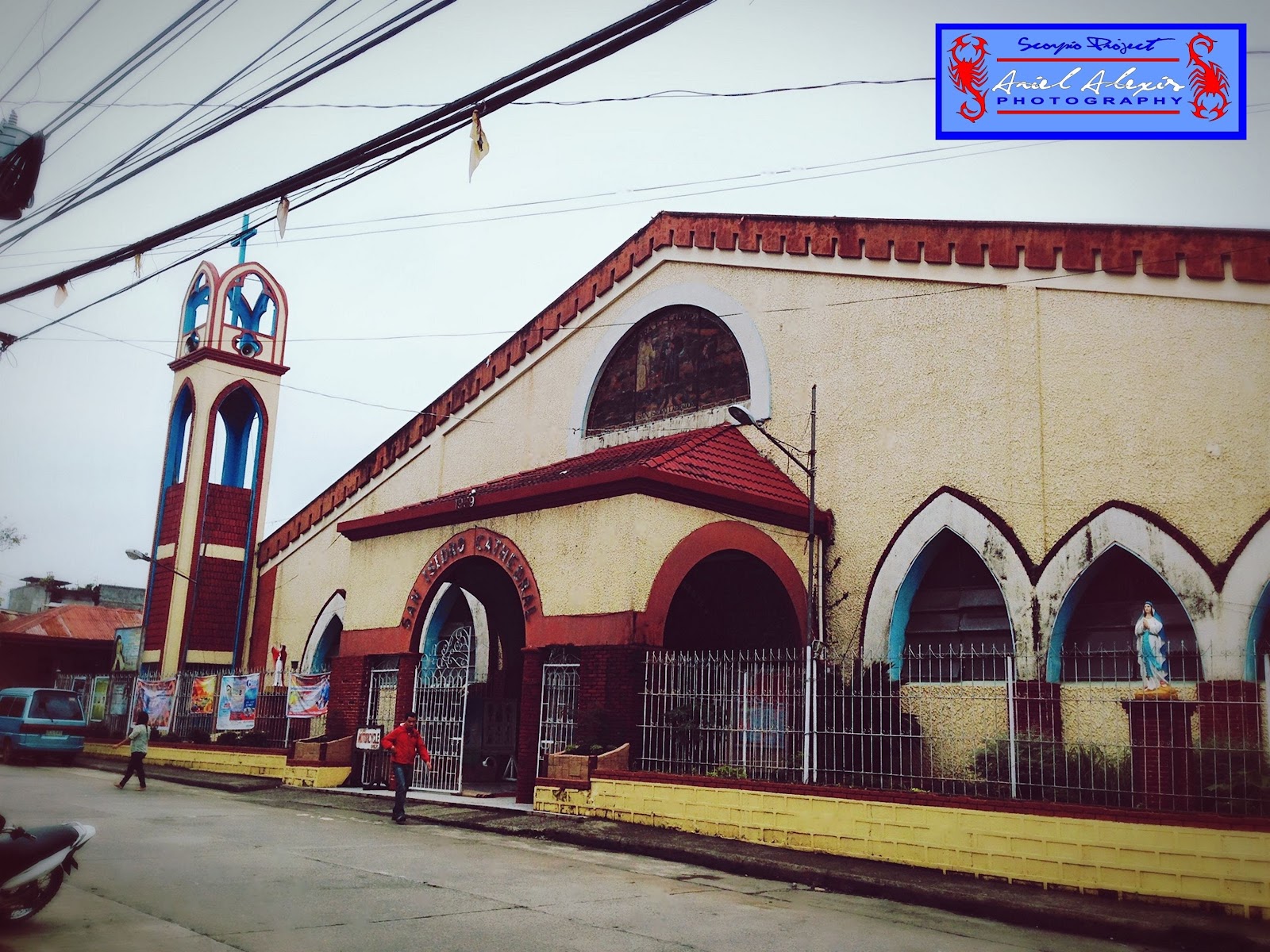 Just a stone’s throw away from the town plaza
is the Cathedral of St. Isidore the Farmer, which I also visited to say a little prayer. Built in 1969, the church has gone
several renovations through the years. The image of the patron saint encased in
stained glass adorns the church’s front wall. An icon is also found inside the
church.
Just a stone’s throw away from the town plaza
is the Cathedral of St. Isidore the Farmer, which I also visited to say a little prayer. Built in 1969, the church has gone
several renovations through the years. The image of the patron saint encased in
stained glass adorns the church’s front wall. An icon is also found inside the
church. 

 Perhaps the crowning
glory of any sojourn to Malaybalay is a visit to the Monastery of the
Transfiguration. Neatly tucked in the village of San Jose in Malaybalay, the
monastic complex stands on a vast, slightly sloping terrain surrounded by lush
mountains and hills. I consider it a “mortal sin” for any tourist to miss this
must-see wonder.
Perhaps the crowning
glory of any sojourn to Malaybalay is a visit to the Monastery of the
Transfiguration. Neatly tucked in the village of San Jose in Malaybalay, the
monastic complex stands on a vast, slightly sloping terrain surrounded by lush
mountains and hills. I consider it a “mortal sin” for any tourist to miss this
must-see wonder. 

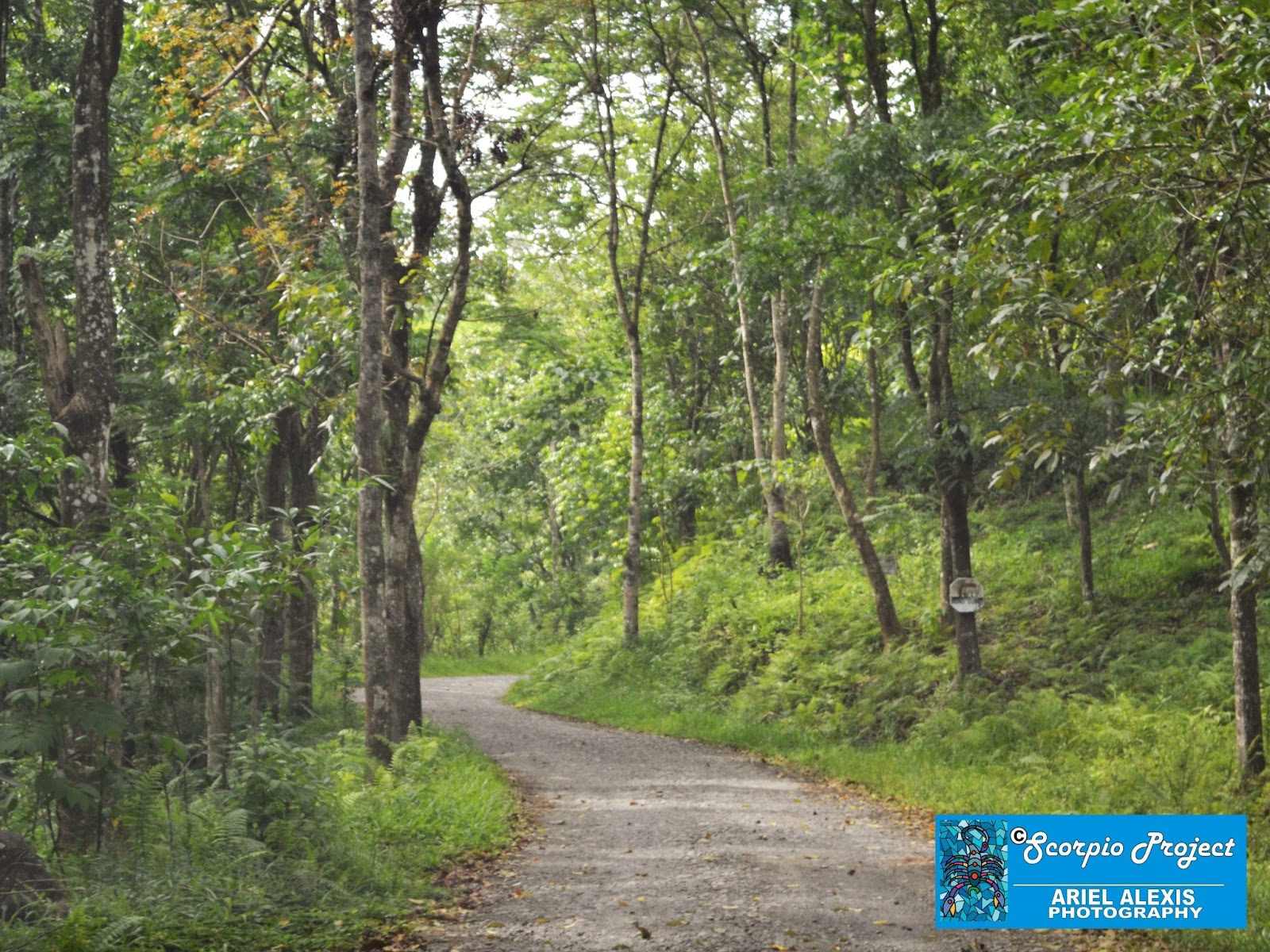 Roughly twenty
minutes away from the downtown area by private car, the monastic complex has
several buildings housing the monks, a small chapel, dormitories and retreat
houses for pilgrims, and several hectares of prime lands owned by the
Benedictine Monks. Though open to the
public, visitors can only enter its premises if they are dressed in accordance
with the monks’ dress code.
Roughly twenty
minutes away from the downtown area by private car, the monastic complex has
several buildings housing the monks, a small chapel, dormitories and retreat
houses for pilgrims, and several hectares of prime lands owned by the
Benedictine Monks. Though open to the
public, visitors can only enter its premises if they are dressed in accordance
with the monks’ dress code. 

 For me, the
monastery’s most distinctive as well as renowned feature is the pyramid-shaped
church designed by the late Leandro Locsin, National Artist for
Architecture. Said to be Locsin’s last
great work before he passed away in the early 1990s, the awe-inspiring church,
which is made of lime blocks, was inaugurated some thirty years ago.
For me, the
monastery’s most distinctive as well as renowned feature is the pyramid-shaped
church designed by the late Leandro Locsin, National Artist for
Architecture. Said to be Locsin’s last
great work before he passed away in the early 1990s, the awe-inspiring church,
which is made of lime blocks, was inaugurated some thirty years ago. 

 Inside the church, I saw a replica of the
statue of Our Lady of Montserrat, which reportedly came all the way from the
Abbey of Montserrat in Catalonia, Spain. The said replica, which is one of the
Black Madonnas of Europe, was given by the Abbey of Montserrat as a gift to
commemorate the centennial of the Benedictine monks presence in the
Philippines.
Inside the church, I saw a replica of the
statue of Our Lady of Montserrat, which reportedly came all the way from the
Abbey of Montserrat in Catalonia, Spain. The said replica, which is one of the
Black Madonnas of Europe, was given by the Abbey of Montserrat as a gift to
commemorate the centennial of the Benedictine monks presence in the
Philippines. 
 So, is it nice to stay
there for good? If you want to live in a forest—yet in the city—it’s
definitely the place to be. But how long will Malaybalay stay that way, that
is, as the “City in a Forest”? Well, that, I believe, would depend to a great
extent on the actions of its people to preserve its relatively pristine state
and keep it from going the way the “City of Pines” has gone—to the dogs, that
is. :-D
So, is it nice to stay
there for good? If you want to live in a forest—yet in the city—it’s
definitely the place to be. But how long will Malaybalay stay that way, that
is, as the “City in a Forest”? Well, that, I believe, would depend to a great
extent on the actions of its people to preserve its relatively pristine state
and keep it from going the way the “City of Pines” has gone—to the dogs, that
is. :-D