Feasts
and festivals form part of our culture. In good times and in bad, we always
find some reason to dine, drink and dance. In various parts of the country,
these celebrations are held come hell or high water. Regardless of size and
income, every city, town or barangay has its own fiesta. Why, not even the
recent spate of calamities that hit the country kept us from celebrating here,
there and everywhere!
 For
us Pinoys, the Christmas season remains the most anticipated among all celebrations.
As early as September, we decorate our homes with the ubiquitous parol, do
house-to-house carolling, light up our Christmas trees, organize reunions,
indulge in gift-hunting and giving, attend the simbang gabi, etc. All these culminate on Christmas Eve when
families, friends and relatives gather for the Noche Buena feast.
 The
celebration of Christmas on a grand scale is a long-standing tradition dating
back to Spanish times. Until now, we’re still holding on to that custom that
lasts for more than just a day and with so much pomp and pageantry at that. No
wonder, the country holds the distinction of having the longest Christmas
celebration around the world, extending well not only into New Year’s Day but
the Feast of the Three Kings!
When
it comes to celebrations, Tagum City is one of the best places in this part of
the country where you can experience the best of Pinoy pomp and pageantry, most
especially during the holiday season. Why, the city is being dubbed by its
drumbeaters as the City of Festivals, with fifteen (and still counting) fetes
and feasts to boost! If only for that, Tagum is one great place to be during
the Christmas season.
 About
a month ago, I decided to spend the two remaining days of 2013 in Tagum to say
goodbye to a snaky year and welcome this new, horsey one. I had other options
in mind but at the end of the day, I settled for the City of Festivals mainly
because of its two attractions: the giant Christmas Tree and the grand fireworks display. Add to that is Tagum’s accessibility—it’s just an hour’s
drive from my place.
 |
| Tagum's giant Christmas Tree |
The
lighting of the city’s giant Christmas Tree is one of the highly-anticipated
events among Tagumeños and visitors alike during the Christmas season. Too bad,
I failed to witness the said event. That’s why I promised myself I would drop
by Freedom Park (where the tree is being put on display) to see what’s in store for visitors who come to the city to spend the holidays. Tagum didn’t disappoint me.

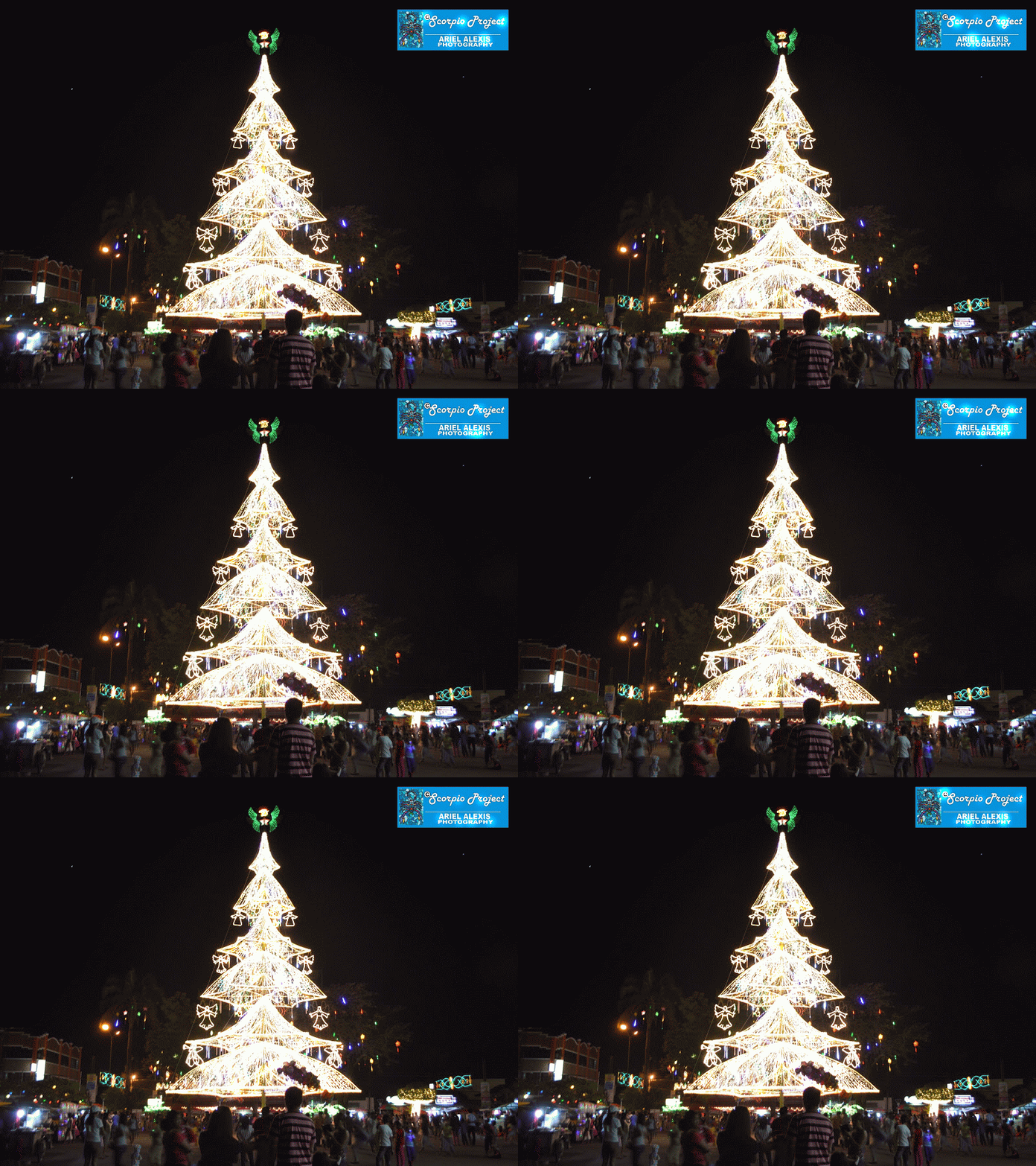 As
I’ve expected, this year’s Christmas Tree was a visual treat! Rising some 24
meters (78 feet), it’s bedecked with hundreds of bright lights of varied shapes
and sizes. The lofty tree was shimmering with decors that resembled birds,
flowers, stars, angels, etc. The crowning glory of the tree, however, was the
huge replica of the head of an eagle with matching wings—the very symbol of
Tagum—placed at its tip!

 The
huge throngs that gravitated towards the park to have themselves snapped with
the humungous tree kept me from taking photos at preferred angles. With
patience and persistence, however, I was able to finally get what I wanted. I
lingered there for almost an hour just to stare at and shoot what’s probably
the most-photographed Christmas symbol in the whole city. Whew, what an awesome
night!
 |
| Fountain at Tagum City Hall |
Living
in a city where all sorts of firecrackers and other pyrotechnic gadgets are
banned during the holiday season, I’ve made it a point to go to other places if
only to experience the thrill and excitement of bidding goodbye to the old year
and saying hello to the new one—with so much fireworks and all! It’s a ritual
I’ve been pursuing with so much gusto these past few years for it always
completes my holiday vacay.
 If
not for those travels, I’d have difficulty in distinguishing between the
various noisemakers that I used to fiddle with during the holidays in the
past—whistle bomb, Roman candle, triangle, fountain, skyrocket, Judas belt.
LOL! Nope, I’m not after firing those explosives anymore. I’ve had enough of
them when I was younger. The mere sight of those being blown into smithereens
already pleases me no end.
 Gazing at the pyrotechnic explosions on New Year’s Eve has always been cathartic for
this world-weary traveller. As I watch them burst, I release all
the negativities that are haunting me because I want to start the new year with
a clean slate. Good riddance, I’d
tell myself, as I let go of old wounds, past hurts, unwarranted woes and all
other bygones that have become emotional burdens too heavy to carry.
 This
time, Tagum was my choice for witnessing the grand festivities unfolding on New
Year’s Eve. For quite some time now, the city has gained a reputation for
staging one of the most magnificent fireworks display this side of Mindanao. I
have to be there when it happens. Never
mind if I don’t get to light up any firecracker. Seeing the glittering
extravaganza that night would be more than enough, I reasoned.
 |
| Hundreds came to watch the fireworks display |
 As
early as nine in the evening, revelers started trooping to the venue—the sprawling open
arena adjacent to the new City Hall. In anticipation of the huge traffic, I
went there ahead of schedule to get a prime spot. The lull proved to be
providential as I managed to rub elbows with some Tagum-based bloggers and
photography enthusiasts. Three of them, Edwin, Leo and Louie, were covering the
affair for the city government.

 Hundreds
braved the threat of rain that night to have a glimpse of Tagum’s grand
fireworks display. While waiting for the explosions, the revelers were
entertained by local talents and guest bands which performed alternately on the
two stages that were mounted by the organizers. A few seconds before midnight,
the performances grounded to a halt as everyone joined the ten-second countdown
to 2014.
 |
| There goes the opening salvo! |
Then,
as the giant clock at the venue struck twelve midnight, bright lights suddenly
lit up Tagum’s dark sky. With clockwork precision, pyrotechnic explosions,
bursting into a dazzling kaleidoscope of colors—red, green, violet, yellow,
white, blue—filled the black canvass before disappearing into the night. The
amazing fireworks display lasted for roughly twelve minutes. Geez, it was a
veritable sight to behold!
 For
me, there’s no affordable nor enjoyable way to celebrate the triumphs of the
old year and the start of a promising new year than enjoying the most dazzling
fireworks display in that side of Mindanao. Brimming with optimism, I bid
goodbye to all the negative things that happened to me as 2013 exited and hoped
for the best in all aspects of my life as 2014 entered. I bet many of the
people there did the same.
 Like
the previous years, the recently concluded grandiose event drew not only local
residents but also visitors coming from different parts of the Davao Region. I
even saw a few foreigners in the audience who took pictures and covered the
event using their mobile phones and video cameras. Whew, it felt awesome to be
there! Suffice it to say, the fiery spectacle completed my New Year’s Eve
celebration.
 |
| Tagum-based bloggers, photographers and enthusiasts |
All
told, the sweet escape to Tagum City turned out to be the wisest travel
decision I’ve ever made this holiday season! Not only did I enjoy watching the
giant Christmas Tree, I also relished witnessing the spectacular fireworks
display that the city has been doing for a few years. More importantly, I had
the chance to touch base with friends and
fellow bloggers I haven’t seen for quite some time.
 Truly,
when it comes to fun and fanfare, the City of Festivals really delivers! Having
witnessed all those things during the most wonderful time of the year, I’m once
again taken with Tagum! :D

 Soothing the soul becomes a force of habit to me whenever
I feel the incubus of life dragging me down. I go about this ritual by going to
a place where I can regain a part of me I’ve lost in the rat race. If the need
for inner peace, renewal, and enlightenment is so intense, I often hit the road
to search for uplifting experiences in a local soul-soothing destination
in Mindanao—South Cotabato.


 These past years, I’ve grown so fond of South Cotabato.
If time permits me and my resources warrant it, I run away to this province in
SOCCSKSARGEN. Whenever I’m there, I hardly miss home; it’s as if I never left
home at all. Here’s a haven in the heart of the island where forests, fogs,
fireflies and freezing nights conjure an ambience that restores tired bodies,
refreshes troubled minds and revives sagging spirits.

 This I have to say: the province occupies a special place
in my heart. It was there where my
mettle as a young researcher was put to test many years ago. Back then, what
was then known as South Cotabato was composed of seventeen towns. It was also part of Southern Mindanao (Region XI), along with
the three original Davao Provinces, Davao City, Surigao del Sur and General
Santos City.

 For about a week, my teammates and I went all over the
place to conduct an inventory of medical equipment and paraphernalia which were
donated to various barangay health stations all over the province. Part of a
foreign-assisted project, the donations have helped improve the health care
services of the recipient villages not only in South Cotabato but the rest of
Southern Mindanao.


 With the creation of Sarangani Province, South Cotabato now has ten
towns—Banga, Polomolok, Lake Sebu, Norala, Surallah, Sto. Nino, T’boli,
Tantangan, Tampakan and Tupi—and one component city, Koronadal, which is also
the regional center of the SOCCSKSARGEN Region, the conglomeration of South
Cotabato, Cotabato, Sultan Kudarat, Sarangani and the cities of Cotabato and
General Santos.
 Arguably, the most soul-soothing experiences I’ve ever
had in South Cotabato in recent years were those countless times I spent
frolicking in four exciting destinations in the province—Koronadal, Polomolok,
Surallah and of course, Lake Sebu. The natural and man-made attractions found
all over the place are veritable magnets for seekers of serenity like this
inveterate gadabout.

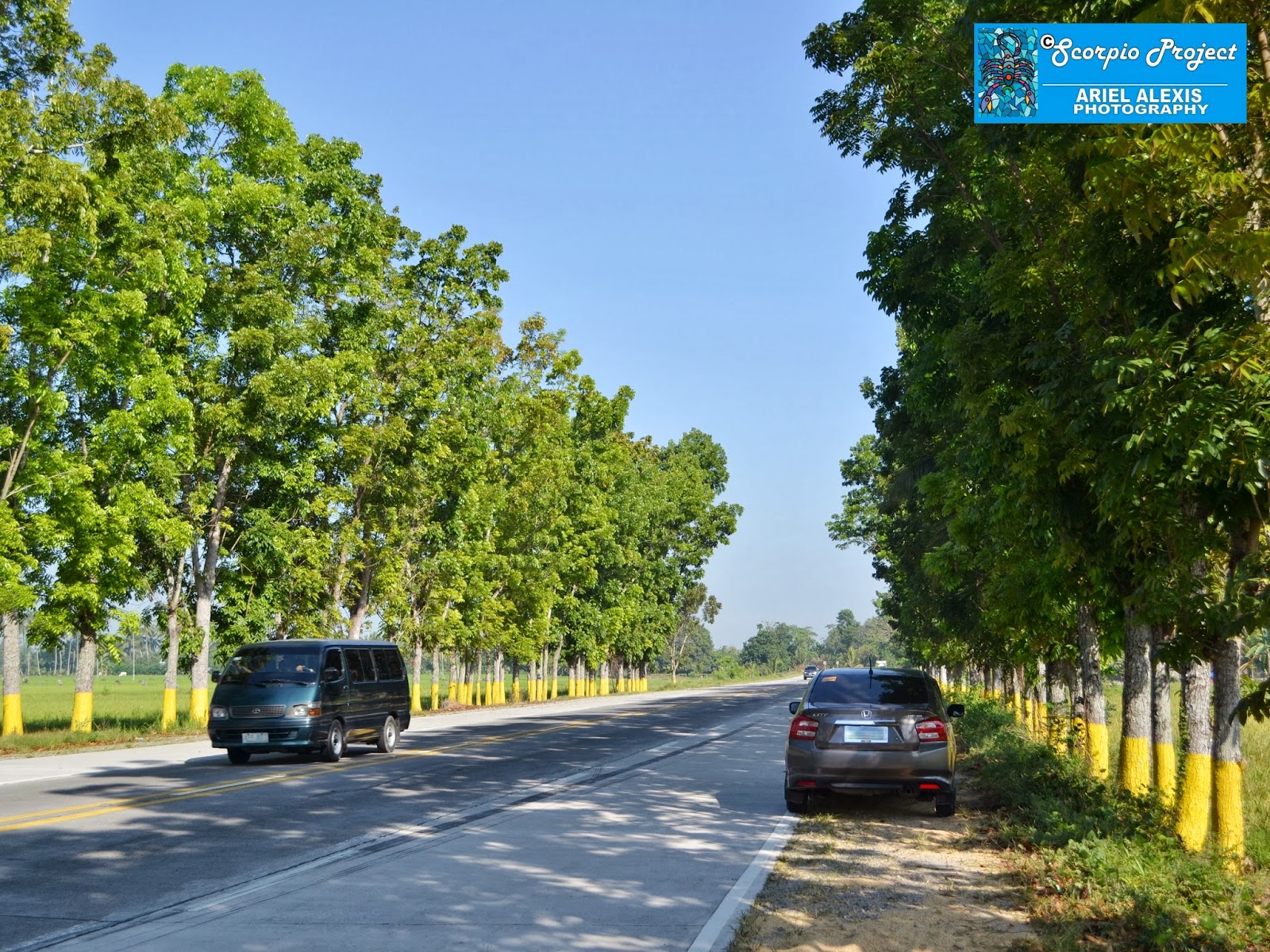
 Strategically located in the heart of Central Mindanao,
Koronadal City lies in the intersection of two major road networks: the Pan
Philippine Highway Friendship Highway and the Koronadal-Banga-Isulan Road which
connect the city to other major destinations in SOCCSKSARGEN Region and the
rest of Mindanao. It serves as the crucial economic crossroad not only for the
province but for the region as well.

 Before the Christian migrants came, B’laan and
Maguindanaoan tribes used to populate the area. What is now the city proper was
once called Marbel, whose name was derived from the B’laan words, malb-el, meaning “muddy water”, perhaps
in reference to what is now known as Marbel River. The B'laans also called the
place Koronadal, from the words koron or kolon, meaning “cogon grass” and nadal
or datal, referring to “plain”.




 Hiligaynon, the language of the Ilonggos, is widely
spoken in the city. But they also speak Cebuano and Tagalog. Years ago, I used
to frequent Koronadal when it was still the capital town of the province,
either to do some research work or assist in the conduct of workshops for local
government units. Good thing, I understood Hiligaynon that’s why I didn’t have
any difficulty interacting with the locals.

 Revisited after quite some time, the city once known as a
“plain of cogon” impressed me with its stunning metamorphosis. New hotels have
risen, including FB Hotel and Convention Center and The Farm@Carpenter Hill. On
a recent visit, I noticed a new shopping complex, Gaisano Grand Mall. The old
KCC Mall, on the other hand, is undergoing a major face-lift, perhaps in a bid
to keep up with the competition.
 It was also a delight to see a new City Hall rising
prominently near the highway leading to the town center. The new building is a
fitting testament to the rise of Koronadal up in the ladder of progress and
good governance. I just wish that the provincial government would do something
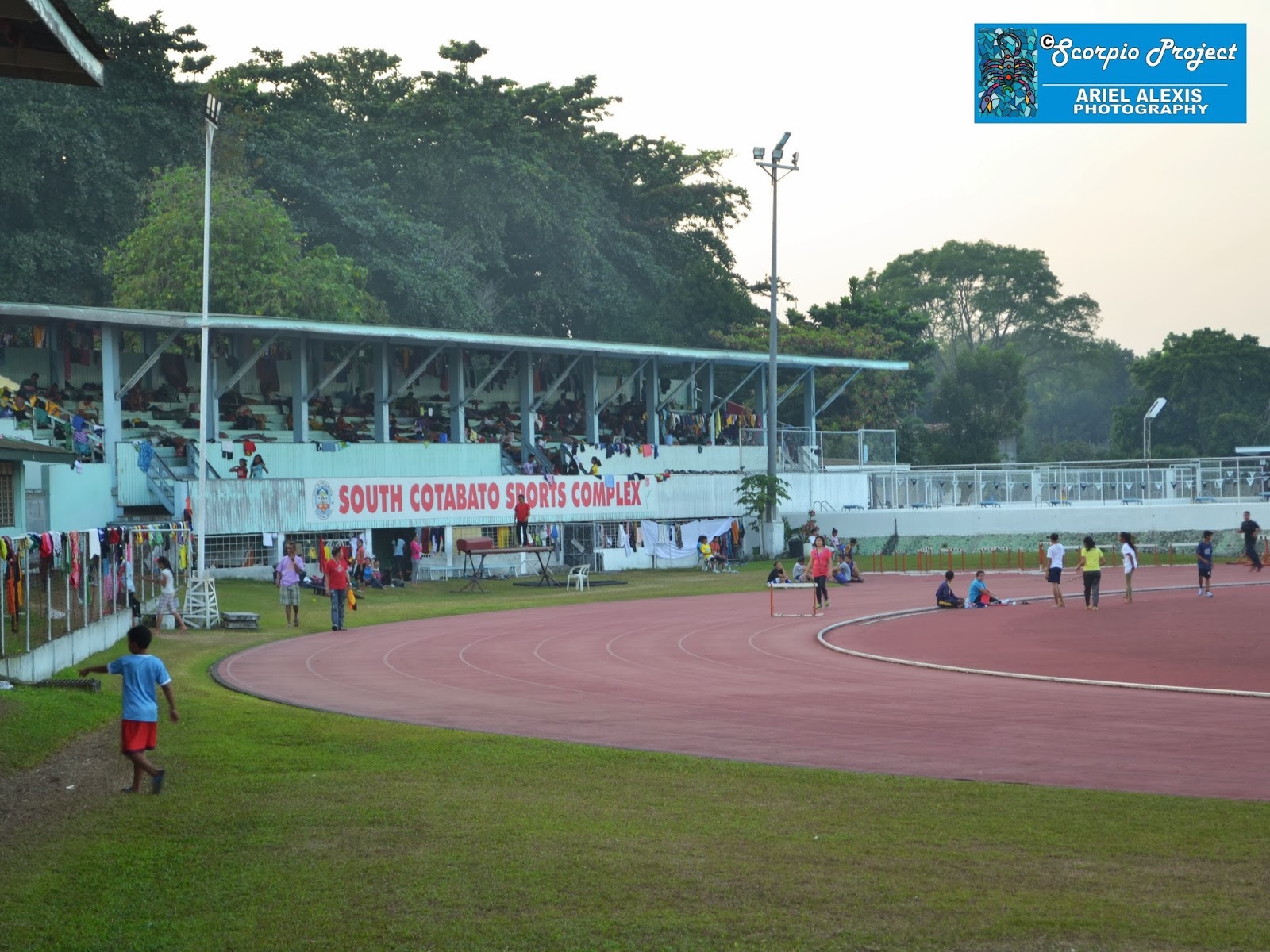
to upgrade the facilities of the South Cotabato Sports Complex, which used to
be the venue of several national competitions in the past.


 Paraiso Verde has open cabanas, airconditioned cabins, a
food court, a 300 person-capacity pavilion, a café, a souvenir shop and a lush
garden. But it’s the wave pool that really impressed me the most. At first, it
looked like an ordinary pool with a gradual slope just like a beach, until the
waves started coming. Geez, it’s one of the most exhilarating aqua adventure
parks I’ve seen in those parts!

 Polomolok, on the other hand, captivated me the moment I
first laid eyes on its awesome landscape many years ago while on my way to
Koronadal from General Santos City. Incidentally, the bustling town got its
name from the B’laan word, flomlok,
meaning “hunting ground”. A long time ago, the area where the town center is located
used to be known for the plethora of wildlife, hence, the name.

 While in town, visitors get to have a close look at South
Cotabato’s most distinctive attraction: Mt. Matutum. Rising some 2,286 meters
above sea level, the mountain is considered to be one of the twenty-plus active
volcanoes in the country. Known to have last erupted in 1911, it has remained
calm since then. Lying at its foot are some natural hot and cold springs where
tourists can swim to their hearts’ content.


 Right smack in the middle of the vast DOLE plantation
lies one of Polomolok’s best kept secrets—Kalsangi.

 Generally off-limits to the public, Kalsangi isn’t shown
on any tourist map so don’t bother looking for it. Reason: the exclusive
village is home to the multinational firms’ ex-pats and top brass. To gain
access to the estate, you have to pass through strict security checks. Good
thing, I have friends who had some connections inside so we were able to make
it there fuss-free on two occasions.

 Entering Kalsangi for the first time, I felt like I was
in some typical American village. Scattered all over the sprawling estate are
log cabins reminiscent of those country houses I’ve seen in many Hollywood
movies. Conifers of all shapes and sizes line up its streets, interspersed with
huge trees and other wild flora. Kalsangi had me the moment I saw those tall
Norfolk pine trees!

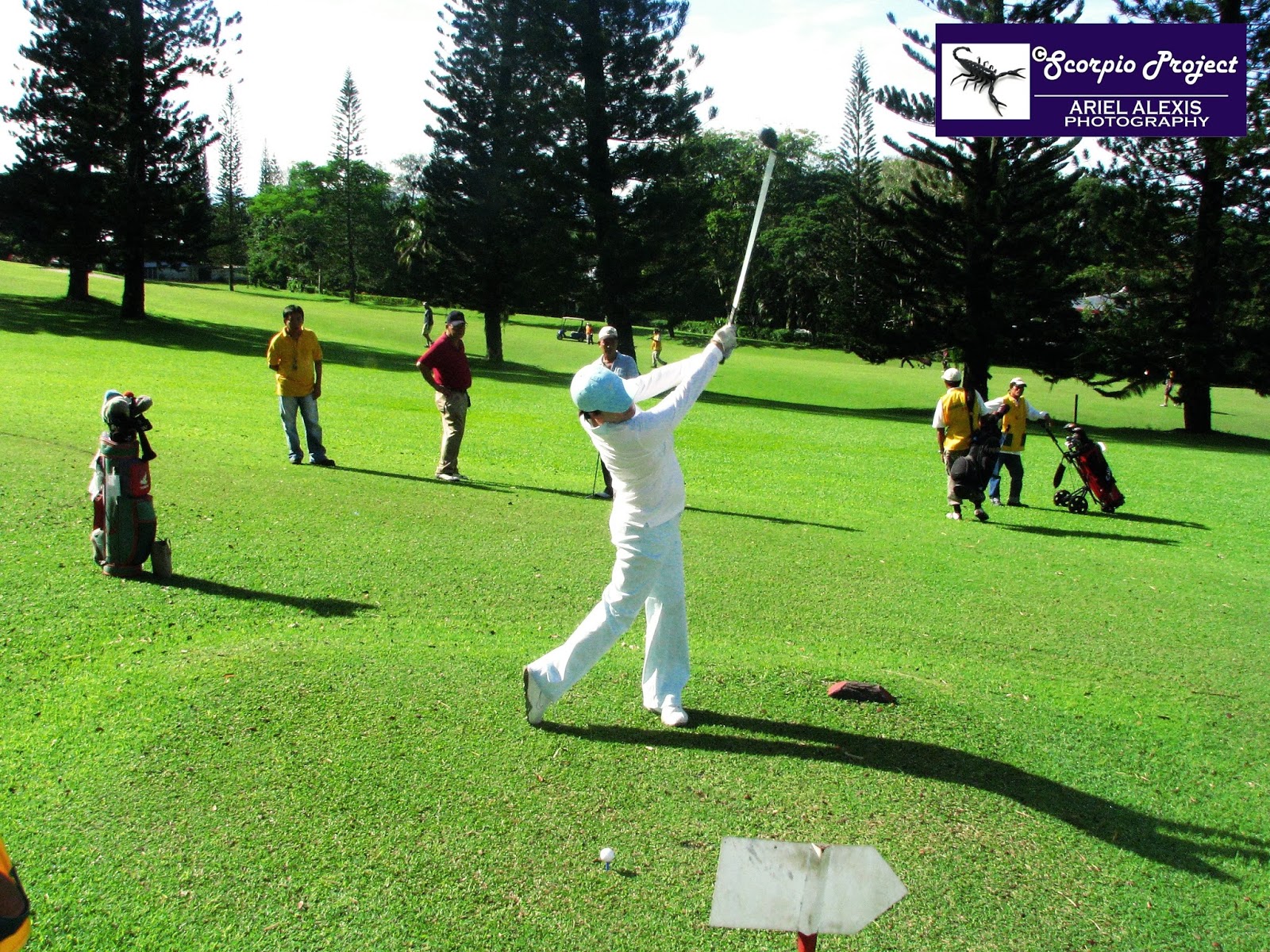
 Wait, there’s more to the village than those pine trees;
it also boasts of a sprawling nine-hole golf course, probably one of the
country’s best greens. Roaming around the estate for the first time, I suddenly
found myself transported to a sanctuary of serenity where peace reigns supreme.
Who needs golf carts when it’s more soothing to the senses to take a leisurely
hike amidst Kalsangi’s green fields?