Climate,
cowboys, culture and creed…these are just a few of the numerous reasons why I
think Bukidnon should make it to every traveler's list of must-see destinations
in the country. Located in the northern part of Mindanao, the landlocked
province, whose name means "people of the mountains" in the
vernacular, has practically everything I'd like to experience during a quick
weekend wandering within an outback setting.
Climate,
cowboys, culture and creed…these are just a few of the numerous reasons why I
think Bukidnon should make it to every traveler's list of must-see destinations
in the country. Located in the northern part of Mindanao, the landlocked
province, whose name means "people of the mountains" in the
vernacular, has practically everything I'd like to experience during a quick
weekend wandering within an outback setting.
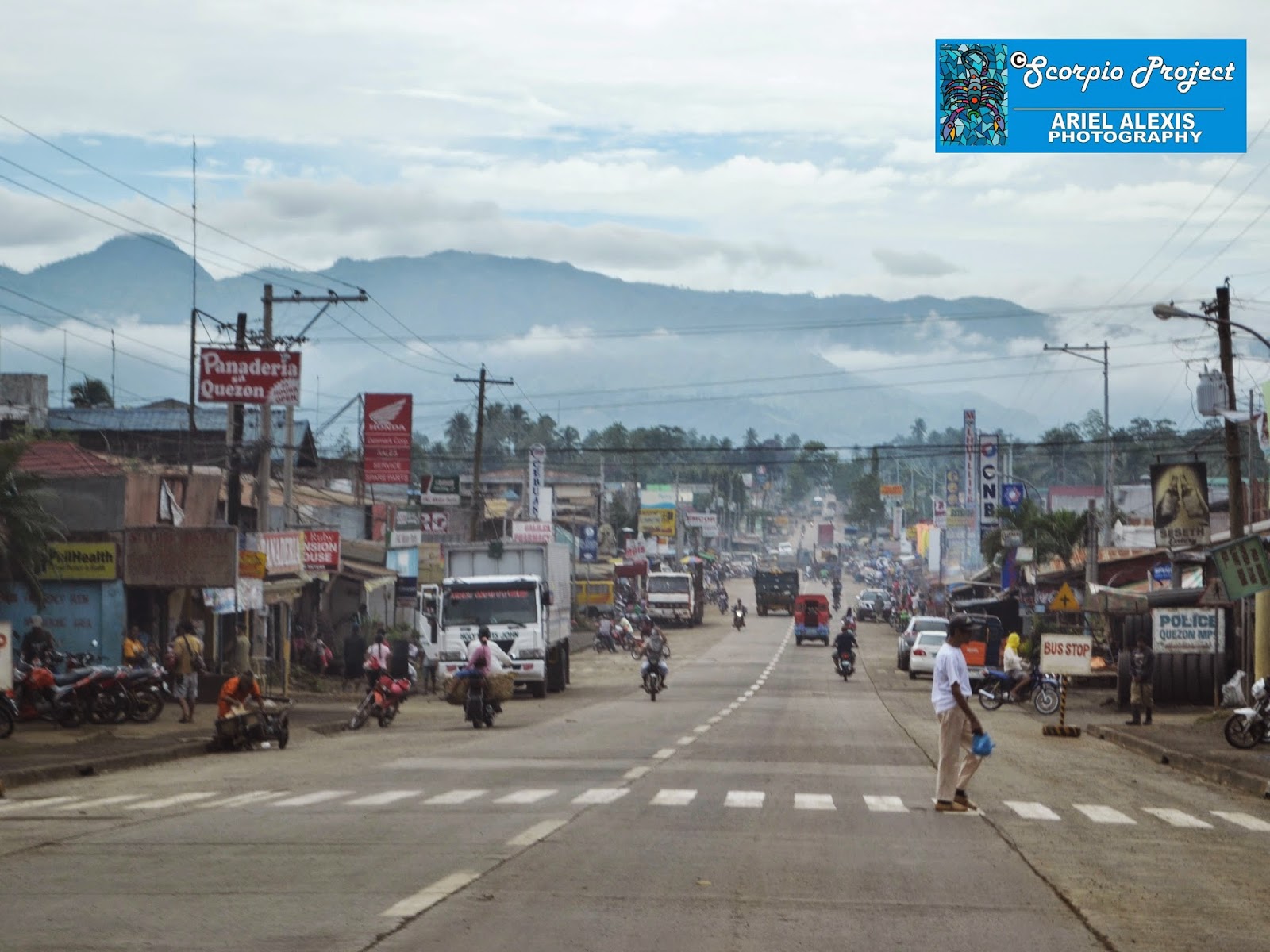
 It's been six years since this
incorrigible bum first explored Bukidnon so I thought that a second coming
should already be in the offing. I’ve been through some pressures lately so calling
for a timeout to buck up myself is imperative. I’m also helpless against the
irresistible urge to get away from it all even for a day only. So, I finally
gave in to the seduction of Bukidnon. One Saturday, I, along with Alex, our eager
beaver liaison officer and “road manager”, drove all the way into one of
Northern Mindanao’s premier provinces.
It's been six years since this
incorrigible bum first explored Bukidnon so I thought that a second coming
should already be in the offing. I’ve been through some pressures lately so calling
for a timeout to buck up myself is imperative. I’m also helpless against the
irresistible urge to get away from it all even for a day only. So, I finally
gave in to the seduction of Bukidnon. One Saturday, I, along with Alex, our eager
beaver liaison officer and “road manager”, drove all the way into one of
Northern Mindanao’s premier provinces.
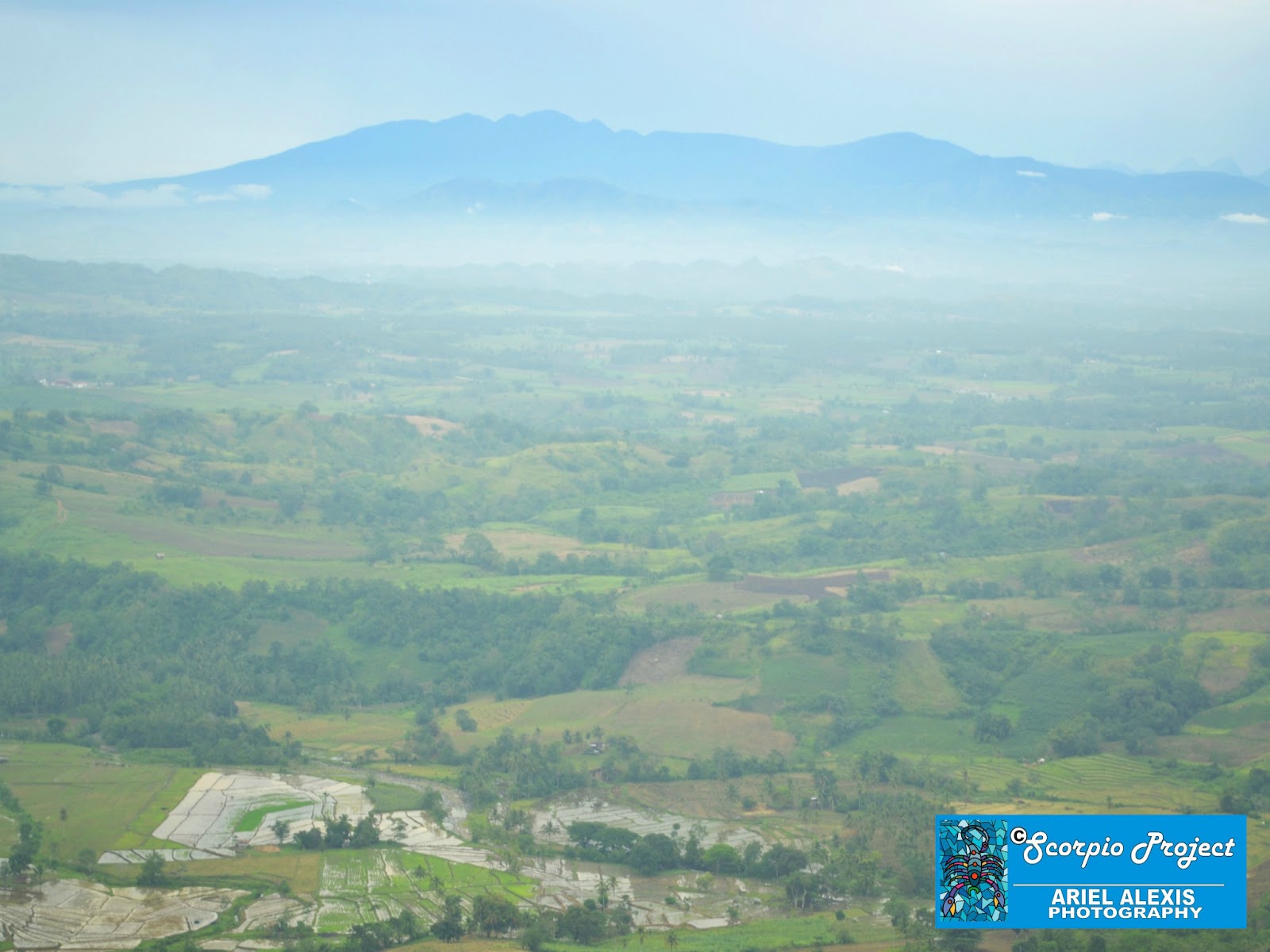 |
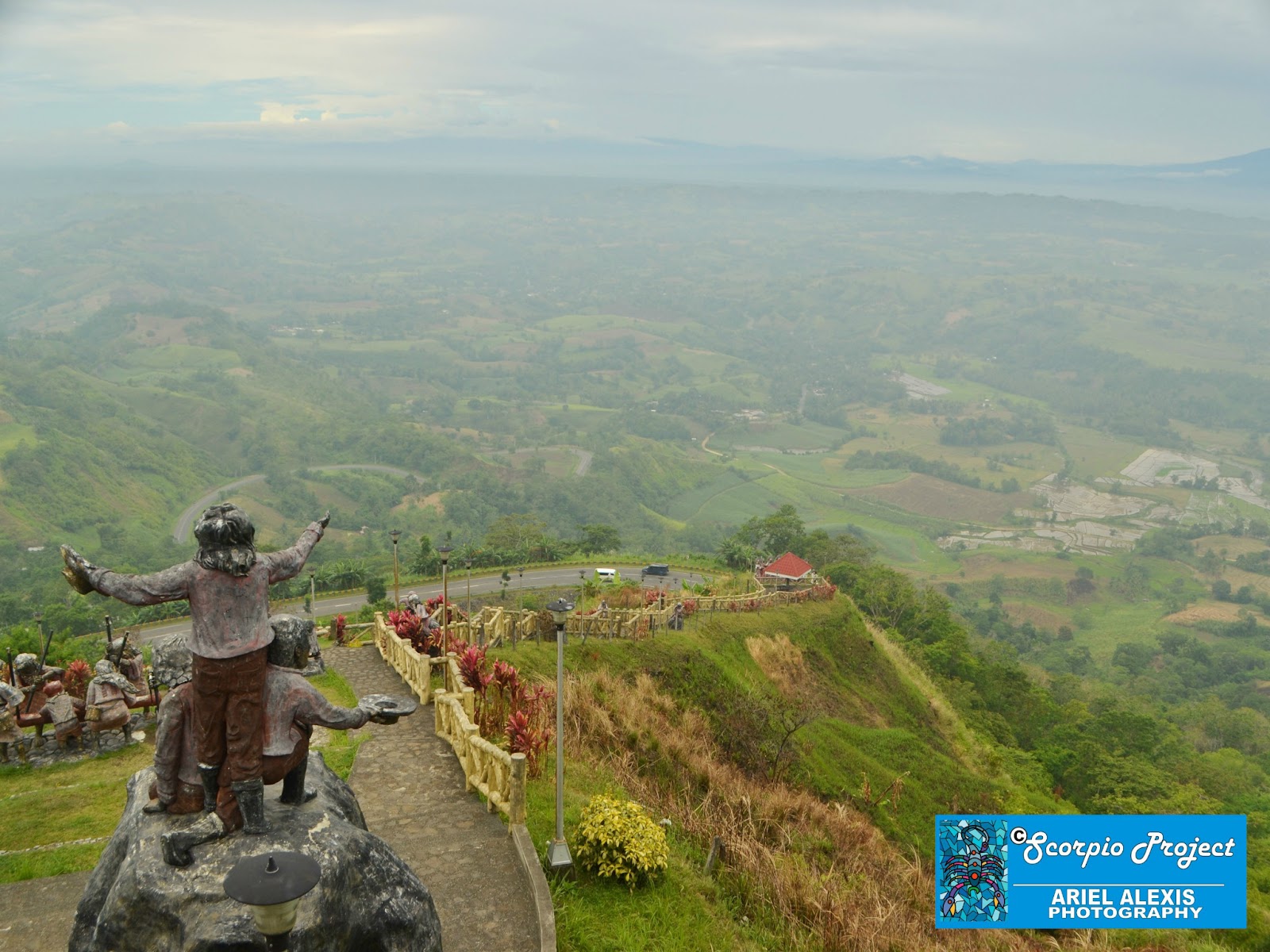
Bukidnon's rolling hills and verdant plains on a foggy day
|
Why
head for Bukidnon? Summer’s just around the corner. The heat has started to get
into my nerves so I deemed it best to head for a hideaway in the highlands to
chill out. In Bukidnon, the refreshingly cool climate that swathes many parts
of the province all year round can calm down even tempestuous minds. This,
coupled with the presence of many scenic attractions, bolsters the province’s
reputation as the perfect choice for those in search of a haven that comes
close to heaven itself.
 Given its proximity from
Davao, I thought of gravitating towards the provincial capital, Malaybalay City,
passing through the towns of Kitaotao, Quezon and Maramag as well as Valencia
City. Known as the “City in the Forest”, Malaybalay is a good starting point
for any quick or prolonged journey to take a peek at Bukidnon’s pulchritude,
placidity and plenitude. Aside from its capital city, many of the towns there are
endowed with pine-covered hills and flatlands, making the province an ideal
venue for picnics, excursions and outings.
Given its proximity from
Davao, I thought of gravitating towards the provincial capital, Malaybalay City,
passing through the towns of Kitaotao, Quezon and Maramag as well as Valencia
City. Known as the “City in the Forest”, Malaybalay is a good starting point
for any quick or prolonged journey to take a peek at Bukidnon’s pulchritude,
placidity and plenitude. Aside from its capital city, many of the towns there are
endowed with pine-covered hills and flatlands, making the province an ideal
venue for picnics, excursions and outings.
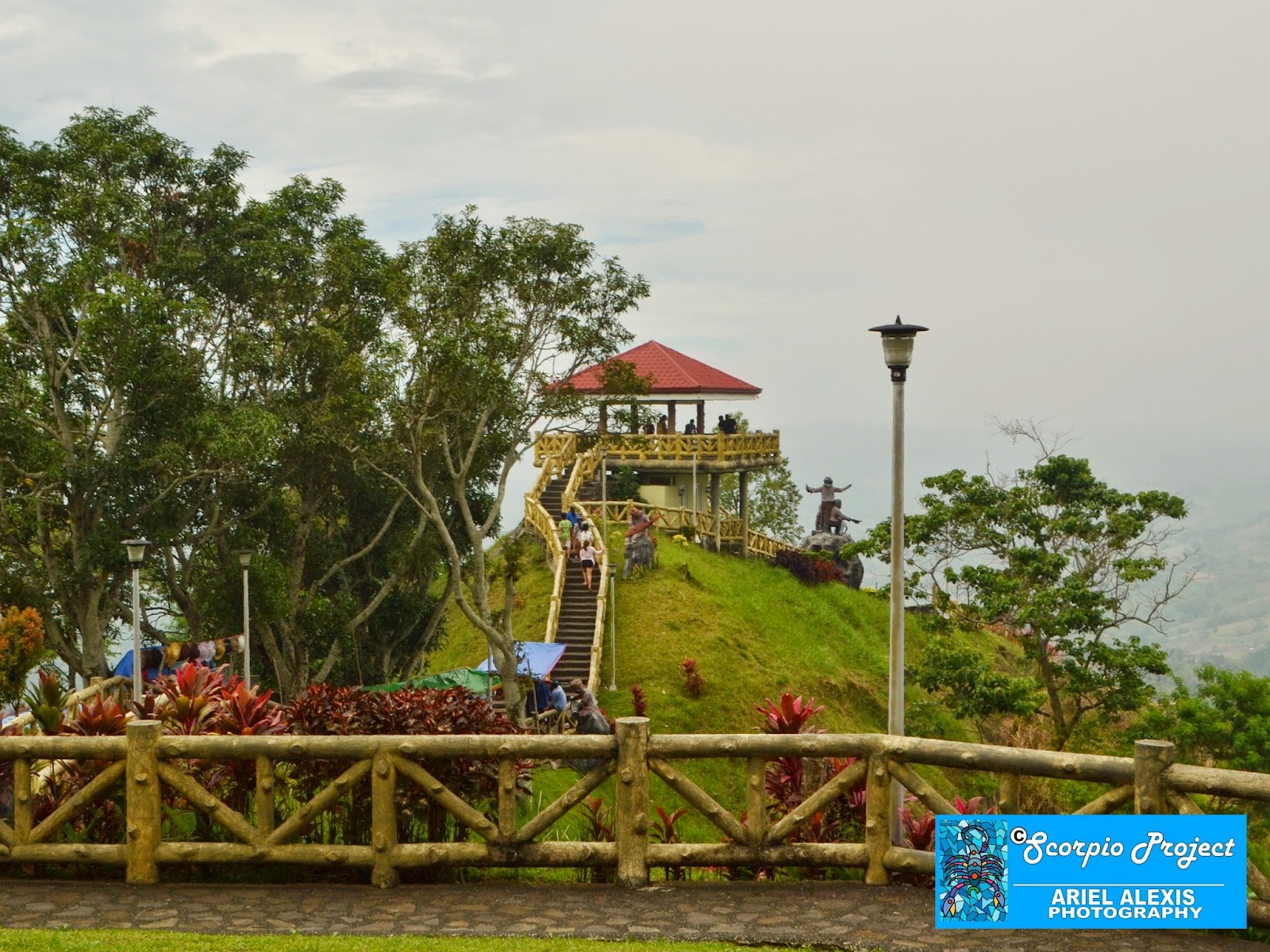 |
Overview Nature and Culture Park
|
|

 Mountain climbers and
trekkers will also find the province’s mountains, especially the Kitanglad
mountain range, a challenge worth conquering. Part of the range are Mt.
Dulang-Dulang and Mt. Kitanglad, reputedly the third and fourth highest
mountains in the Philippines, respectively, which are fast becoming the favourite
venues of annual treks and conquests. I bet these peaks would be crawling with
mountaineers from all parts of the world during Lent.
Mountain climbers and
trekkers will also find the province’s mountains, especially the Kitanglad
mountain range, a challenge worth conquering. Part of the range are Mt.
Dulang-Dulang and Mt. Kitanglad, reputedly the third and fourth highest
mountains in the Philippines, respectively, which are fast becoming the favourite
venues of annual treks and conquests. I bet these peaks would be crawling with
mountaineers from all parts of the world during Lent.

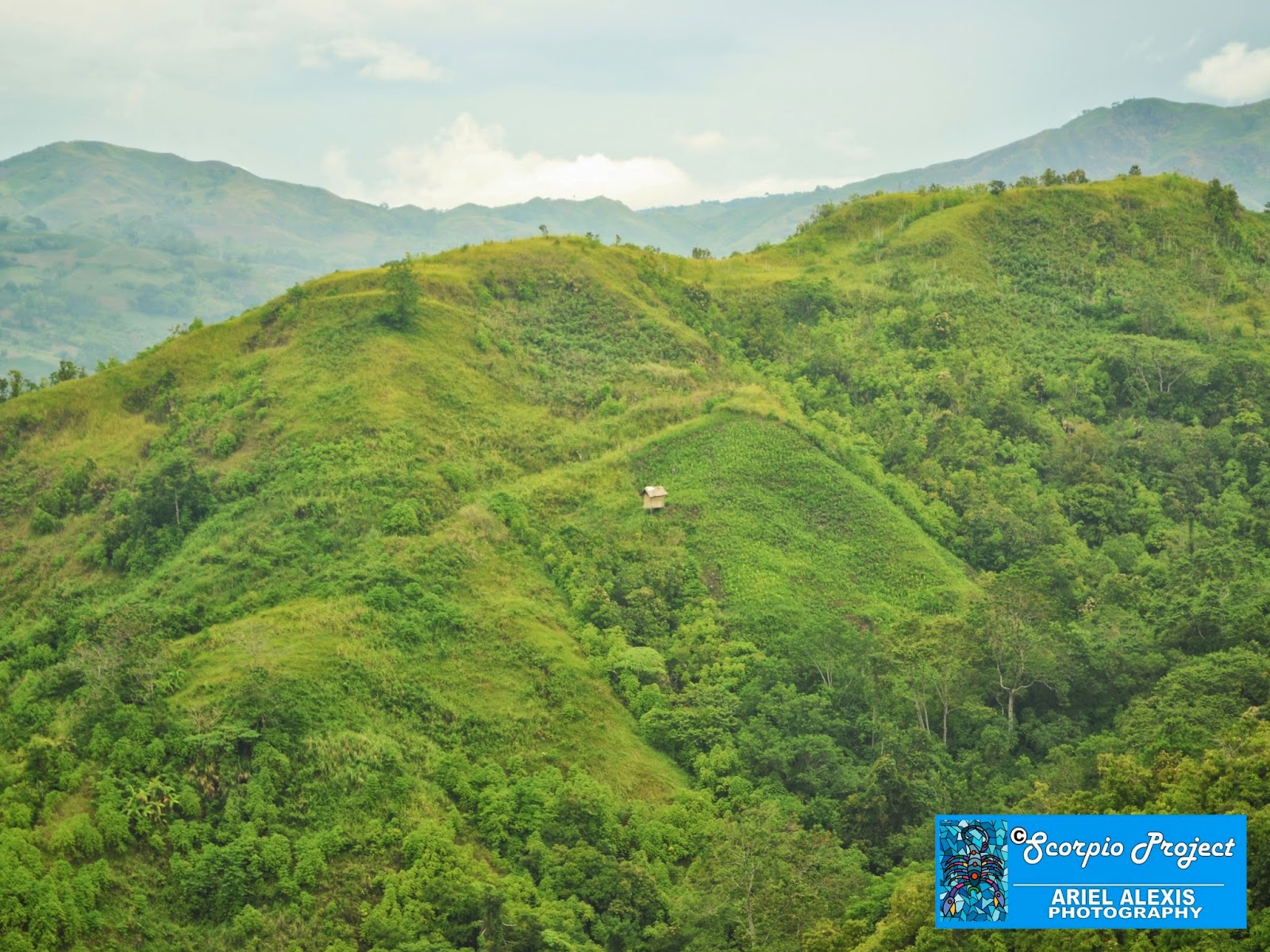
Surrounded
by grand mountains, wide canyons and deep gorges, Bukidnon’s gently rolling
grassland plateau is ideal for cattle raising, a flourishing industry that
traces its roots to the early 1900s. It was the Americans who initiated the
setting up of cattle ranches in several towns, which provided employment to
Bukidnon’s men who were hired as cowboys.
 |
Overview Nature and Culture Park
|
|
|
|
|
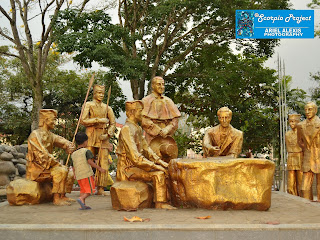 |
"Erreccion de Pueblo" (Creation of Town) Monument in Malaybalay City
|
One of the province’s more
progressive cattle ranch towns is Impasugong (sometimes spelled as
Impasug-ong), which is billed by the local government as the "hometown of
the country’s finest cowboys." It’s also being touted as the home to the
only communal or government-owned ranch in the Philippines. The town is just thirty
minutes away up north of Malaybalay but we decided not to proceed there. I
guess I’ll reserve that for the next visit.
 Culture-vultures will be
ecstatic to know that Bukidnon has its own share of festivities that highlight
the province’s ethno-cultural uniqueness. Foremost among these is the Kaamulan Festival, an almost month-long
celebration in honor of Bukidnon’s seven hill tribes. The festival’s string of
activities takes place from the second week of February until the first week of
March.
Culture-vultures will be
ecstatic to know that Bukidnon has its own share of festivities that highlight
the province’s ethno-cultural uniqueness. Foremost among these is the Kaamulan Festival, an almost month-long
celebration in honor of Bukidnon’s seven hill tribes. The festival’s string of
activities takes place from the second week of February until the first week of
March.
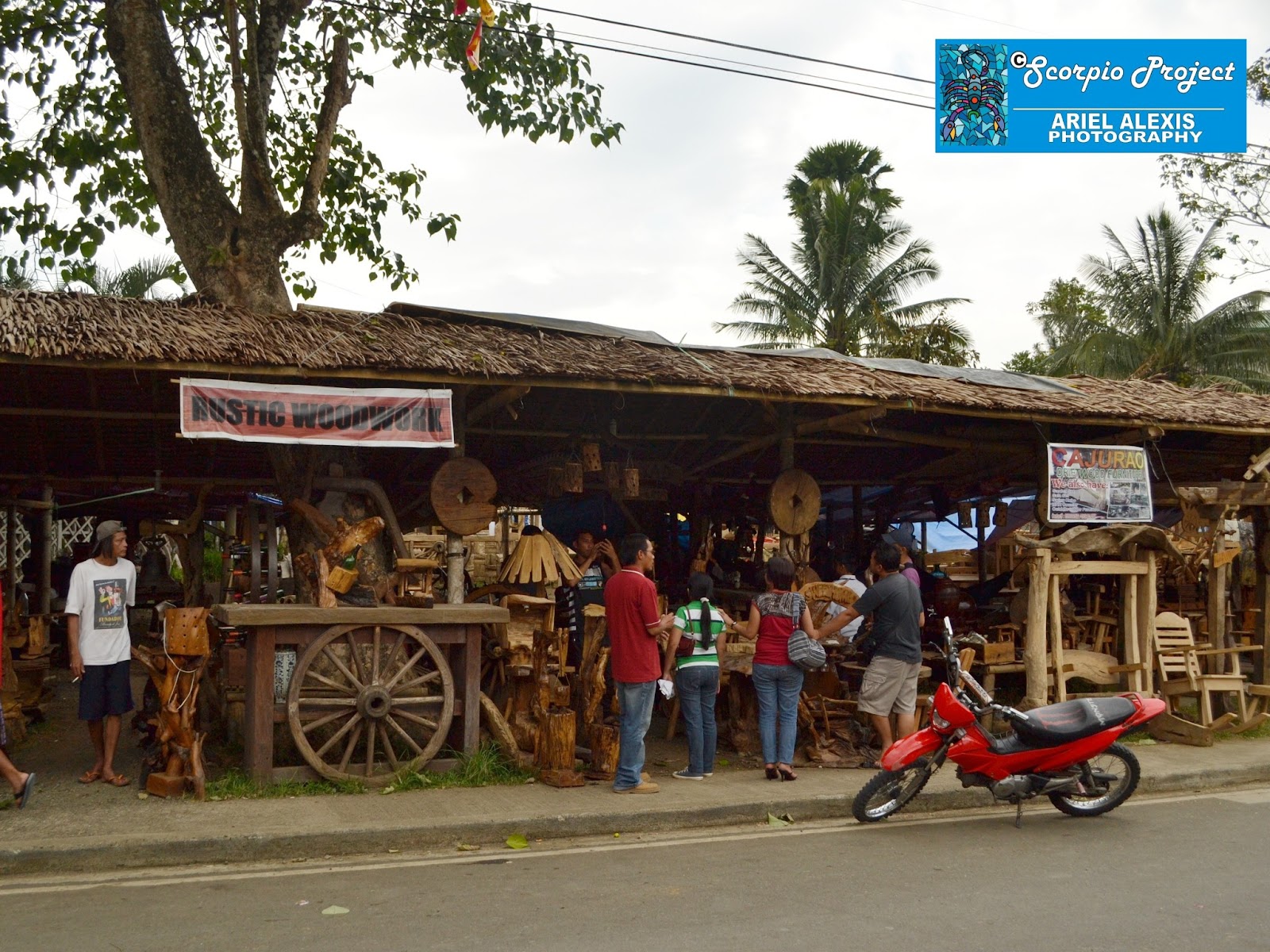 |
Souvenir stalls like this sell indigenous trinkets and ornamentals
|
 From what I’ve read in
Bukidnon’s official website, Kaamulan—derived
from amul, a Binukid word meaning to gather—was primarily set up to preserve the
cultural heritage of the province’s indigenous peoples who belong to the tribes
of Bukidnon, Manobo, Higaunon, Talaandig, Umayamnon, Tigwahanon and Matigsalug.
Unlike other festivals where some participants are made to appear as natives,
the annual festival features real indigenous peoples as they engage in various
authentic rituals: a datu-ship rite,
a peace pact, a wedding ceremony, a thanksgiving fete for a bountiful harvest,
among others.
From what I’ve read in
Bukidnon’s official website, Kaamulan—derived
from amul, a Binukid word meaning to gather—was primarily set up to preserve the
cultural heritage of the province’s indigenous peoples who belong to the tribes
of Bukidnon, Manobo, Higaunon, Talaandig, Umayamnon, Tigwahanon and Matigsalug.
Unlike other festivals where some participants are made to appear as natives,
the annual festival features real indigenous peoples as they engage in various
authentic rituals: a datu-ship rite,
a peace pact, a wedding ceremony, a thanksgiving fete for a bountiful harvest,
among others.
 While in Malaybalay, we went
to the sprawling capitol grounds where some vestiges of this year’s month-long celebration
were still evident: agro-fair and livestock showcases, bazaars, and food stalls,
among others. A motocross was also in progress so we killed time watching the
final laps of the race. Later, we went around some of the Kaamulan booths and
ended up taking home fruits, candies, trinkets, and other native products.
While in Malaybalay, we went
to the sprawling capitol grounds where some vestiges of this year’s month-long celebration
were still evident: agro-fair and livestock showcases, bazaars, and food stalls,
among others. A motocross was also in progress so we killed time watching the
final laps of the race. Later, we went around some of the Kaamulan booths and
ended up taking home fruits, candies, trinkets, and other native products.
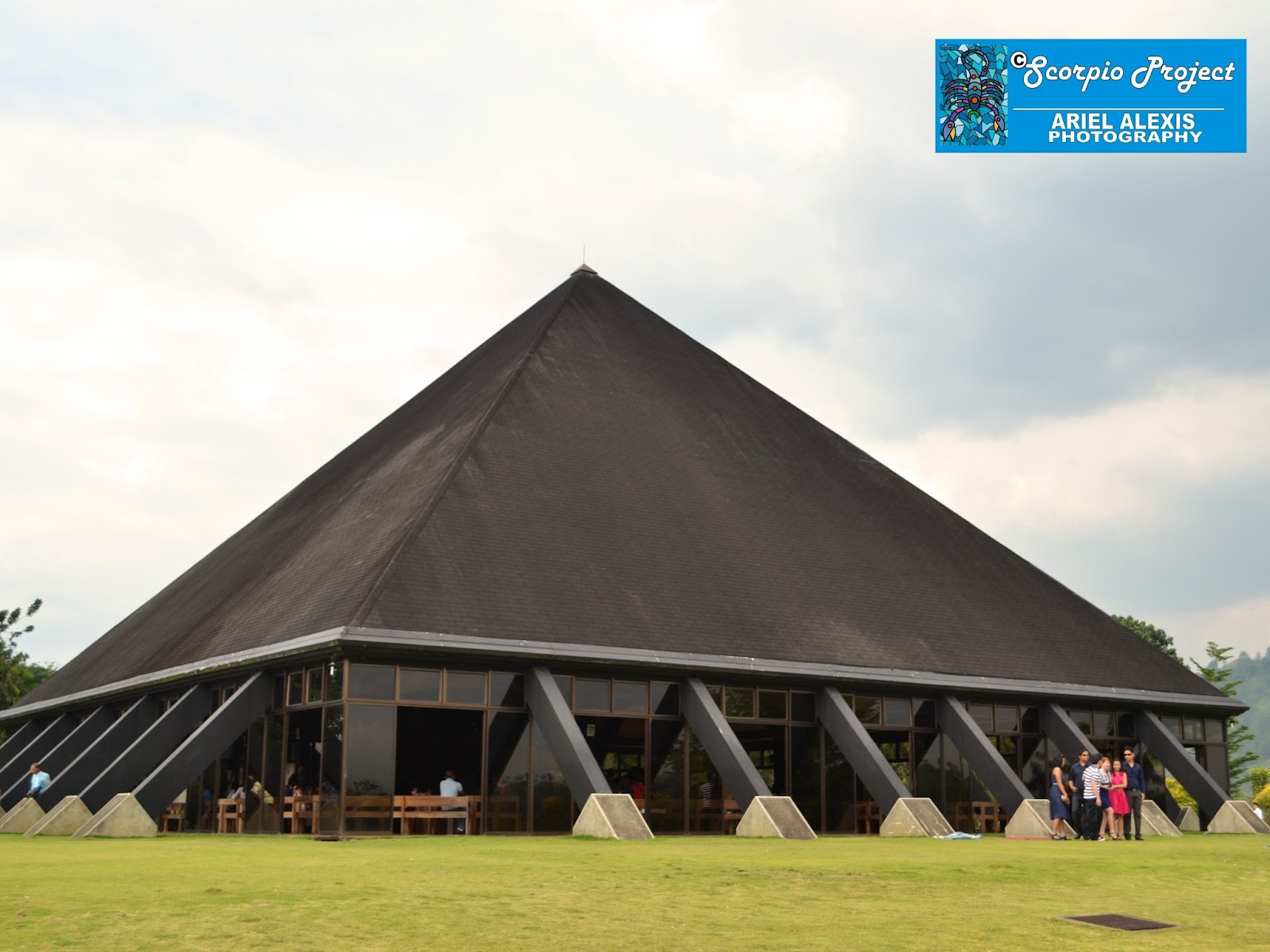 |
Transfiguration Church in Malaybalay City
|

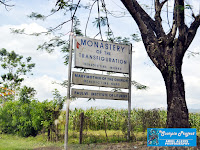
Bukidnon
has also become some sort of a religious mecca among Catholics wanting to do
some soul-searching and gain spiritual enlightenment by visiting the Monastery
of the Transfiguration. Nestled somewhere in the woodlands of the village of
San Jose in Malaybalay, the monastic complex stands on a vast, slightly sloping
terrain surrounded by lush mountains and hills.
Roughly twenty minutes away
from the downtown area by private car, the sprawling monastic complex has
several buildings housing the monks, a small chapel, dormitories and retreat houses
for pilgrims, and several hectares of prime lands owned by the Benedictine
Monks. Anybody can go there provided he/she wears the proper attire prescribed
by the monks. Walking shorts, pek-pek
shorts, mini-skirts, tube tops, sandos, and other see-thru or daring outfits are
definite no-nos inside the sacred grounds.
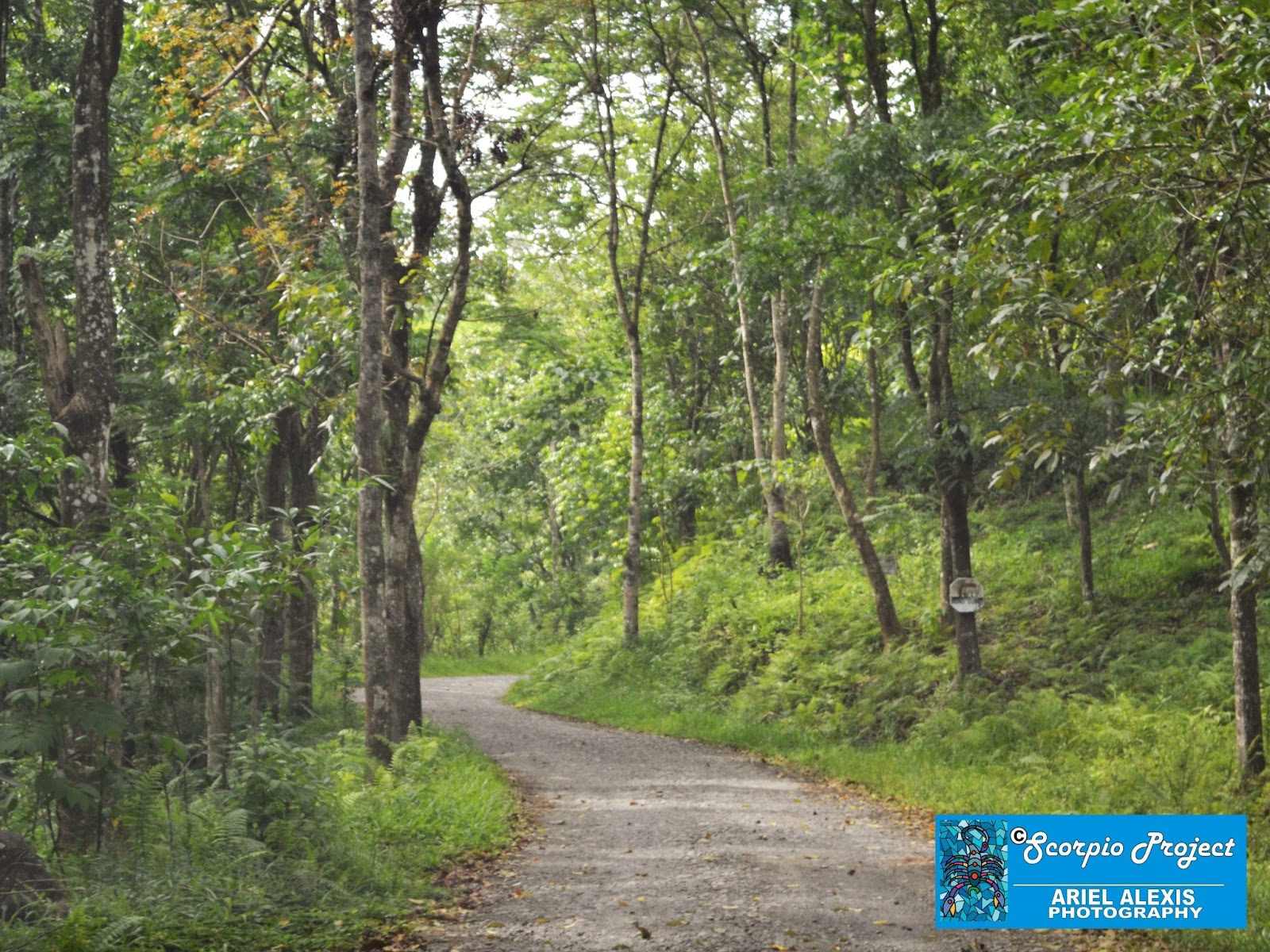 |
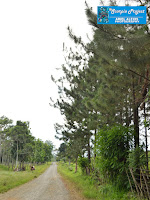
The road to the monastery
|
 Perhaps the monastery’s most
distinctive as well as renowned feature is the pyramid-shaped church that was
designed by no less than the late Leandro Locsin, National Artist for
Architecture. Said to be Locsin’s last great work before he passed away in the
early 1990s, the magnificent edifice, which is made of lime blocks, was
inaugurated some 30 years ago. I’d like to think that it’s a “mortal sin” for
any tourist not to pay respects to this spectacular church, which has become
the monastery’s emblem.
Perhaps the monastery’s most
distinctive as well as renowned feature is the pyramid-shaped church that was
designed by no less than the late Leandro Locsin, National Artist for
Architecture. Said to be Locsin’s last great work before he passed away in the
early 1990s, the magnificent edifice, which is made of lime blocks, was
inaugurated some 30 years ago. I’d like to think that it’s a “mortal sin” for
any tourist not to pay respects to this spectacular church, which has become
the monastery’s emblem.
 To get to the church, Alex
and I had to negotiate through a narrow unpaved road (which is exactly the same
path I trod six years ago).
But it was worth all the little inconvenience
because it afforded us a sweeping view of the monks’ lush estate where they’re
growing a variety of crops such as peanuts, coffee, rice, sugar and corn, which
they turn into reasonably-priced, value-added products like peanut brittle, peanut
butter, roasted peanuts, coffee beans, and the famous Monks’ Brew Premium Coffee
which are sold at the monastery’s souvenir shop.
To get to the church, Alex
and I had to negotiate through a narrow unpaved road (which is exactly the same
path I trod six years ago).
But it was worth all the little inconvenience
because it afforded us a sweeping view of the monks’ lush estate where they’re
growing a variety of crops such as peanuts, coffee, rice, sugar and corn, which
they turn into reasonably-priced, value-added products like peanut brittle, peanut
butter, roasted peanuts, coffee beans, and the famous Monks’ Brew Premium Coffee
which are sold at the monastery’s souvenir shop.

 Like the first time, I was
awed by the grandness of the uniquely shaped, 500-seater house of God so I
lingered to bask in the serenity of the ambience, quietly snapping the church
and its verdant surroundings. Then, the almost deafening silence engulfing that
sacred enclave, punctuated only by the chirping of birds and the clicking of my
camera’s shutter, started to creep into my consciousness and calmed my strained
nerves, filling me with an ineffable inner joy that lasted for some few precious
minutes.
Like the first time, I was
awed by the grandness of the uniquely shaped, 500-seater house of God so I
lingered to bask in the serenity of the ambience, quietly snapping the church
and its verdant surroundings. Then, the almost deafening silence engulfing that
sacred enclave, punctuated only by the chirping of birds and the clicking of my
camera’s shutter, started to creep into my consciousness and calmed my strained
nerves, filling me with an ineffable inner joy that lasted for some few precious
minutes.

 Run by the Benedictine Monks
who are known for living a life of silence, supplications and simplicity, the
Monastery of the Transfiguration offers week-long silent retreats for those who
want to engage in undisturbed self-introspection and intimate communication
with God. On certain occasions, however, the ascetics mingle with the people.
During the Breakfast with the Monks, Sunday churchgoers get to meet the blessed
hands that prepared the sumptuous meals served to them. Now, that’s one “promo”
I’d like to avail the next time I’m back in Bukidnon.
Run by the Benedictine Monks
who are known for living a life of silence, supplications and simplicity, the
Monastery of the Transfiguration offers week-long silent retreats for those who
want to engage in undisturbed self-introspection and intimate communication
with God. On certain occasions, however, the ascetics mingle with the people.
During the Breakfast with the Monks, Sunday churchgoers get to meet the blessed
hands that prepared the sumptuous meals served to them. Now, that’s one “promo”
I’d like to avail the next time I’m back in Bukidnon.
 |
| Monk's Brew |
 It was starting to rain when
we left the monks’ haven. But this only lasted for a few minutes and soon the
sun smiled again. On our way out, we dropped by the souvenir shop inside the monastery’s
vast complex where we found a variety of items for pasalubong items such as peanut butter and other sweets, rosaries,
prayer books, tees, medals, pendants and of course, the famous monks’ coffee.
It was starting to rain when
we left the monks’ haven. But this only lasted for a few minutes and soon the
sun smiled again. On our way out, we dropped by the souvenir shop inside the monastery’s
vast complex where we found a variety of items for pasalubong items such as peanut butter and other sweets, rosaries,
prayer books, tees, medals, pendants and of course, the famous monks’ coffee.
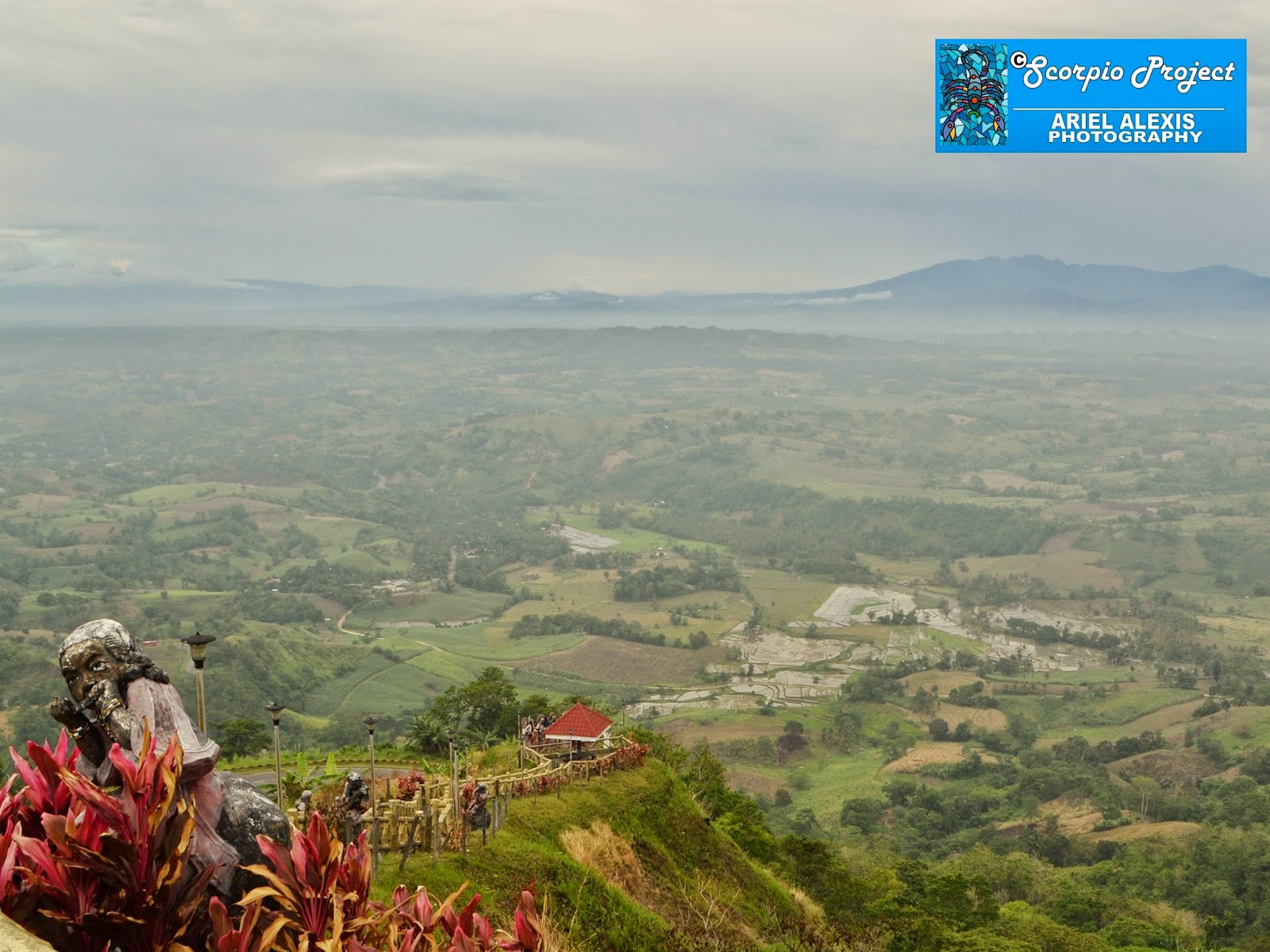 |
Breathtaking view of Bukidnon
|
|
 Indeed, that short but sweet
foray into Bukidnon afforded this world-weary sojourner a much-needed respite
from urban tedium, allowing me to go on an advance Lenten retreat into the comforting
walls of the monastery and its church. When the goin’ gets too tough, it’s best
to take a break and buck up. I guess we all need to do that to reclaim
ourselves once in a while. And that can come partly as a result of being
coddled in a soothing solace which, in my case, happened in none other than one
of God’s most visited cribs in Mindanao. :D
Indeed, that short but sweet
foray into Bukidnon afforded this world-weary sojourner a much-needed respite
from urban tedium, allowing me to go on an advance Lenten retreat into the comforting
walls of the monastery and its church. When the goin’ gets too tough, it’s best
to take a break and buck up. I guess we all need to do that to reclaim
ourselves once in a while. And that can come partly as a result of being
coddled in a soothing solace which, in my case, happened in none other than one
of God’s most visited cribs in Mindanao. :D




 Mountain climbers and
trekkers will also find the province’s mountains, especially the Kitanglad
mountain range, a challenge worth conquering. Part of the range are Mt.
Dulang-Dulang and Mt. Kitanglad, reputedly the third and fourth highest
mountains in the Philippines, respectively, which are fast becoming the favourite
venues of annual treks and conquests. I bet these peaks would be crawling with
mountaineers from all parts of the world during Lent.
Mountain climbers and
trekkers will also find the province’s mountains, especially the Kitanglad
mountain range, a challenge worth conquering. Part of the range are Mt.
Dulang-Dulang and Mt. Kitanglad, reputedly the third and fourth highest
mountains in the Philippines, respectively, which are fast becoming the favourite
venues of annual treks and conquests. I bet these peaks would be crawling with
mountaineers from all parts of the world during Lent.


 From what I’ve read in
Bukidnon’s official website, Kaamulan—derived
from amul, a Binukid word meaning to gather—was primarily set up to preserve the
cultural heritage of the province’s indigenous peoples who belong to the tribes
of Bukidnon, Manobo, Higaunon, Talaandig, Umayamnon, Tigwahanon and Matigsalug.
Unlike other festivals where some participants are made to appear as natives,
the annual festival features real indigenous peoples as they engage in various
authentic rituals: a datu-ship rite,
a peace pact, a wedding ceremony, a thanksgiving fete for a bountiful harvest,
among others.
From what I’ve read in
Bukidnon’s official website, Kaamulan—derived
from amul, a Binukid word meaning to gather—was primarily set up to preserve the
cultural heritage of the province’s indigenous peoples who belong to the tribes
of Bukidnon, Manobo, Higaunon, Talaandig, Umayamnon, Tigwahanon and Matigsalug.
Unlike other festivals where some participants are made to appear as natives,
the annual festival features real indigenous peoples as they engage in various
authentic rituals: a datu-ship rite,
a peace pact, a wedding ceremony, a thanksgiving fete for a bountiful harvest,
among others.
 While in Malaybalay, we went
to the sprawling capitol grounds where some vestiges of this year’s month-long celebration
were still evident: agro-fair and livestock showcases, bazaars, and food stalls,
among others. A motocross was also in progress so we killed time watching the
final laps of the race. Later, we went around some of the Kaamulan booths and
ended up taking home fruits, candies, trinkets, and other native products.
While in Malaybalay, we went
to the sprawling capitol grounds where some vestiges of this year’s month-long celebration
were still evident: agro-fair and livestock showcases, bazaars, and food stalls,
among others. A motocross was also in progress so we killed time watching the
final laps of the race. Later, we went around some of the Kaamulan booths and
ended up taking home fruits, candies, trinkets, and other native products.
 To get to the church, Alex
and I had to negotiate through a narrow unpaved road (which is exactly the same
path I trod six years ago).
To get to the church, Alex
and I had to negotiate through a narrow unpaved road (which is exactly the same
path I trod six years ago).
 Like the first time, I was
awed by the grandness of the uniquely shaped, 500-seater house of God so I
lingered to bask in the serenity of the ambience, quietly snapping the church
and its verdant surroundings. Then, the almost deafening silence engulfing that
sacred enclave, punctuated only by the chirping of birds and the clicking of my
camera’s shutter, started to creep into my consciousness and calmed my strained
nerves, filling me with an ineffable inner joy that lasted for some few precious
minutes.
Like the first time, I was
awed by the grandness of the uniquely shaped, 500-seater house of God so I
lingered to bask in the serenity of the ambience, quietly snapping the church
and its verdant surroundings. Then, the almost deafening silence engulfing that
sacred enclave, punctuated only by the chirping of birds and the clicking of my
camera’s shutter, started to creep into my consciousness and calmed my strained
nerves, filling me with an ineffable inner joy that lasted for some few precious
minutes.


 Run by the Benedictine Monks
who are known for living a life of silence, supplications and simplicity, the
Monastery of the Transfiguration offers week-long silent retreats for those who
want to engage in undisturbed self-introspection and intimate communication
with God. On certain occasions, however, the ascetics mingle with the people.
During the Breakfast with the Monks, Sunday churchgoers get to meet the blessed
hands that prepared the sumptuous meals served to them. Now, that’s one “promo”
I’d like to avail the next time I’m back in Bukidnon.
Run by the Benedictine Monks
who are known for living a life of silence, supplications and simplicity, the
Monastery of the Transfiguration offers week-long silent retreats for those who
want to engage in undisturbed self-introspection and intimate communication
with God. On certain occasions, however, the ascetics mingle with the people.
During the Breakfast with the Monks, Sunday churchgoers get to meet the blessed
hands that prepared the sumptuous meals served to them. Now, that’s one “promo”
I’d like to avail the next time I’m back in Bukidnon. 
 It was starting to rain when
we left the monks’ haven. But this only lasted for a few minutes and soon the
sun smiled again. On our way out, we dropped by the souvenir shop inside the monastery’s
vast complex where we found a variety of items for pasalubong items such as peanut butter and other sweets, rosaries,
prayer books, tees, medals, pendants and of course, the famous monks’ coffee.
It was starting to rain when
we left the monks’ haven. But this only lasted for a few minutes and soon the
sun smiled again. On our way out, we dropped by the souvenir shop inside the monastery’s
vast complex where we found a variety of items for pasalubong items such as peanut butter and other sweets, rosaries,
prayer books, tees, medals, pendants and of course, the famous monks’ coffee.  On
our way back to Davao, Alex and I dropped by this spot that has become a
favorite stopover among motorists
passing by Bukidnon on their way to either the cities of Cagayan de Oro or
Davao: Overview Nature and Culture Park (ONCP). Situated at an elevated portion
along the highway in the town of Quezon, ONCP provides visitors with a
breathtaking view of the province’s rolling hills and verdant plains that never
fail to charm first-timers as well as frequenters.
On
our way back to Davao, Alex and I dropped by this spot that has become a
favorite stopover among motorists
passing by Bukidnon on their way to either the cities of Cagayan de Oro or
Davao: Overview Nature and Culture Park (ONCP). Situated at an elevated portion
along the highway in the town of Quezon, ONCP provides visitors with a
breathtaking view of the province’s rolling hills and verdant plains that never
fail to charm first-timers as well as frequenters.

 ONCP,
however, is more than just a pit stop for nature lovers, it’s also a promenade
for artists and culture vultures. Scattered all over the park’s premises are
numerous sculptures depicting the indigenous peoples of Bukidnon—all creations
of Davao-based prolific artist Kublai Millan. Open to the public free of
charge, ONCP is being maintained by the Department of Public Works and Highways
(DPWH).
ONCP,
however, is more than just a pit stop for nature lovers, it’s also a promenade
for artists and culture vultures. Scattered all over the park’s premises are
numerous sculptures depicting the indigenous peoples of Bukidnon—all creations
of Davao-based prolific artist Kublai Millan. Open to the public free of
charge, ONCP is being maintained by the Department of Public Works and Highways
(DPWH).